Needle Bearings Manufacturer
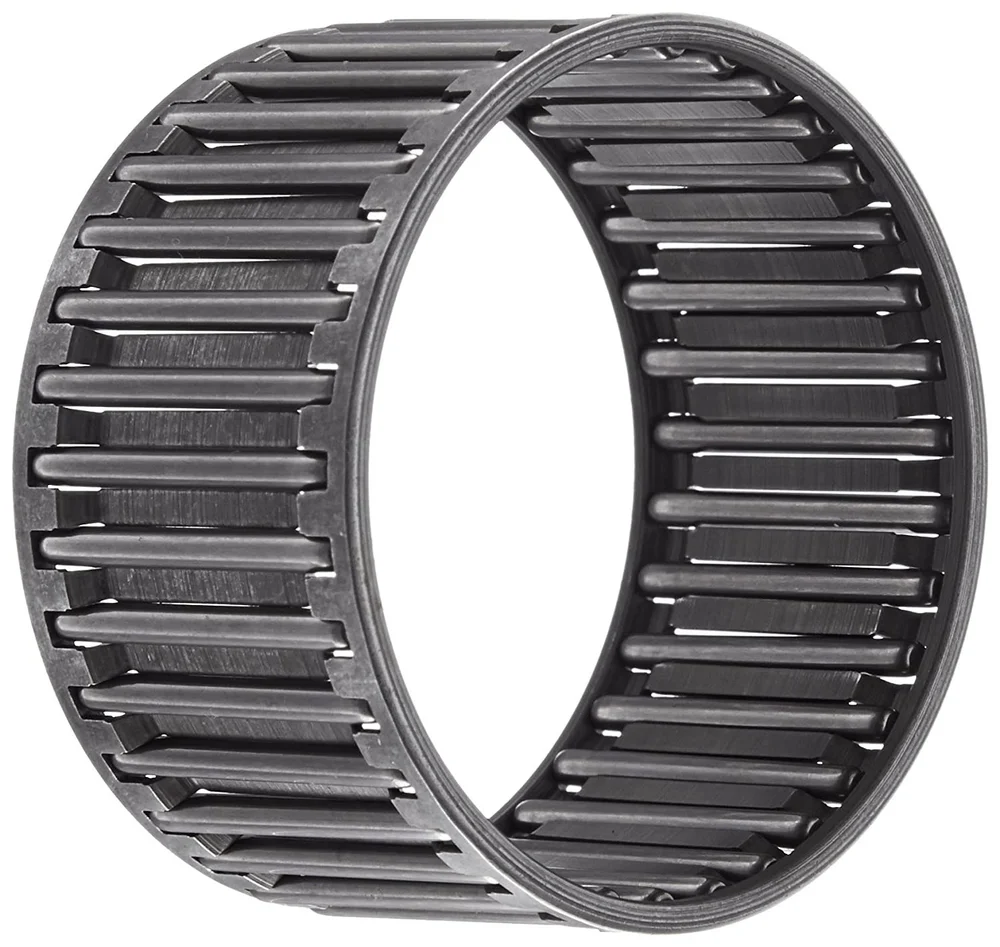
Needle bearings are compact roller bearings designed to support radial loads while occupying less radial space than many conventional rolling-element bearings. They use long, thin cylindrical rollers, commonly called needle rollers, to provide a relatively large contact area between the bearing and raceway.
Their compact design makes needle bearings particularly useful when space is limited but reliable rotational movement and load support are required.
Needle bearings are used across industrial machinery, automotive components, gear systems, pumps, transmissions, power equipment, agricultural machinery, and other mechanical assemblies where efficient and space-saving bearing arrangements are important.
We offer stainless steel needle bearings and needle roller bearings with practical specifications for industrial applications. The available products include a needle roller bearing with a 90 mm diameter and 8 mm thickness, as well as a needle bearing with a 100 mm size and polished surface finish.
What Are Needle Bearings?
A needle bearing is a type of roller bearing that uses long, slender cylindrical rollers to carry radial loads. The rollers have a much smaller diameter relative to their length than conventional cylindrical rollers.
This geometry allows the bearing to achieve a high load-carrying capacity within a compact radial envelope.
Why Are Needle Bearings Used?
Engineers generally consider needle bearings when an application requires:
- Compact radial dimensions
- High radial load capacity
- Efficient rotational movement
- Reduced installation space
- Reliable support for rotating shafts
- A practical alternative to larger bearing arrangements
For example, if a machine has limited housing space around a rotating shaft, a needle bearing can provide the required radial support without requiring the same radial space as a larger bearing design.
How Do Needle Roller Bearings Work?
A needle roller bearing works by placing multiple needle-shaped cylindrical rollers between the rotating and stationary bearing surfaces.
As the shaft rotates, the rollers move between the raceway surfaces. Instead of relying on sliding contact, the rolling elements reduce friction and help transmit the applied radial load.
The basic components can include:
- Needle rollers: Carry the applied load.
- Cage: Keeps rollers correctly spaced and guided in applicable designs.
- Inner race: Provides the rolling surface around the shaft where applicable.
- Outer race: Provides the external raceway where applicable.
- Sealing arrangement: Used in suitable designs to help protect the bearing from contaminants and retain lubricant.
The exact construction depends on the needle bearing design and application requirements.
Key Benefits of Needle Bearings
Needle bearings offer several engineering advantages when correctly selected and installed.
-
1. Compact Design: One of the biggest advantages is their small radial cross-section. This makes needle bearings suitable for assemblies where available space is restricted.
2. High Radial Load Capacity: The relatively large number of long rollers can provide substantial radial load support for the bearing's size.
3. Efficient Rotation:Rolling contact generally produces significantly less friction than equivalent sliding contact, helping support smooth shaft rotation. 4. Space-Saving Solution: A compact needle bearing arrangement can help engineers reduce the overall size of a mechanical assembly. 5. Stainless Steel Construction:The stainless steel products offered here provide a robust material option for applications where material durability and corrosion resistance are important considerations. 6. Versatile Industrial Use: Needle bearings can be incorporated into various machinery and mechanical systems, provided their load, speed, lubrication, temperature, fit, and dimensional requirements are correctly matched.
Needle Bearing Product Specifications
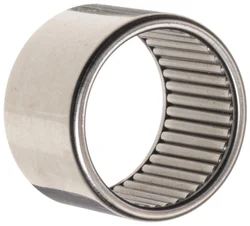
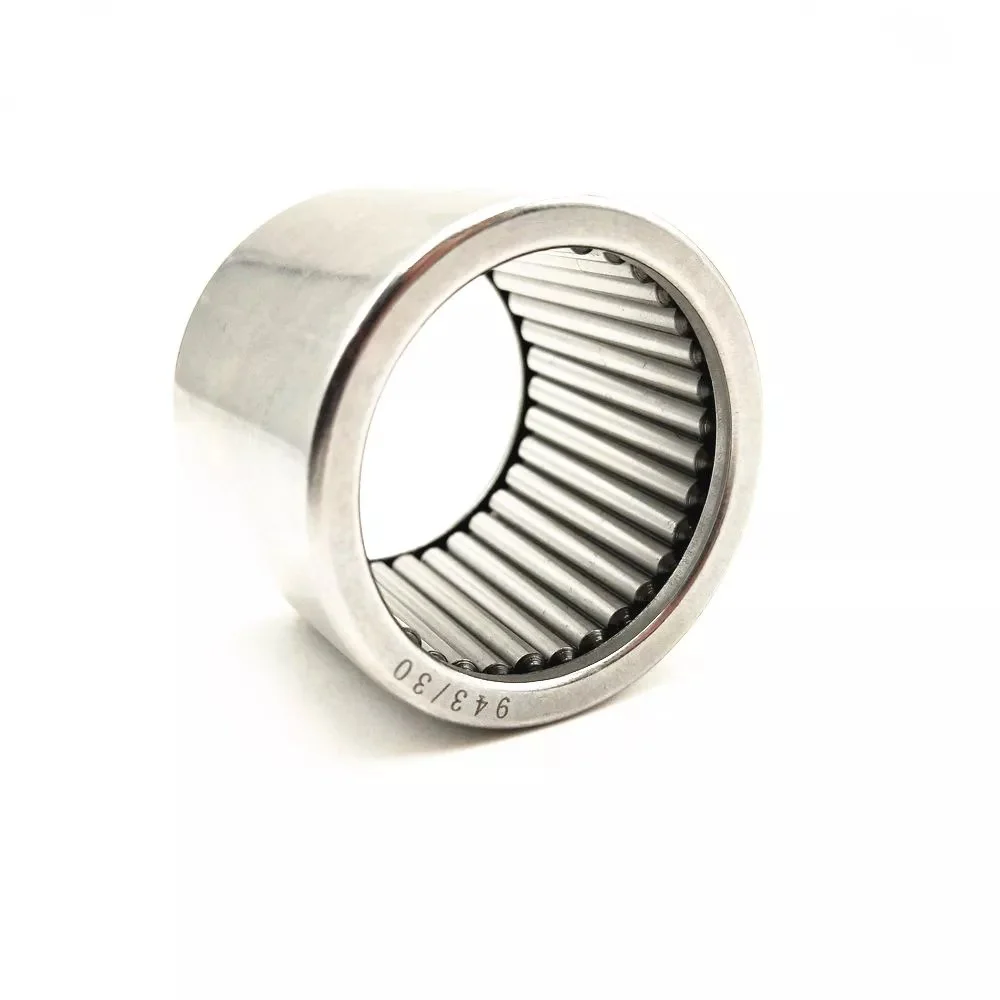
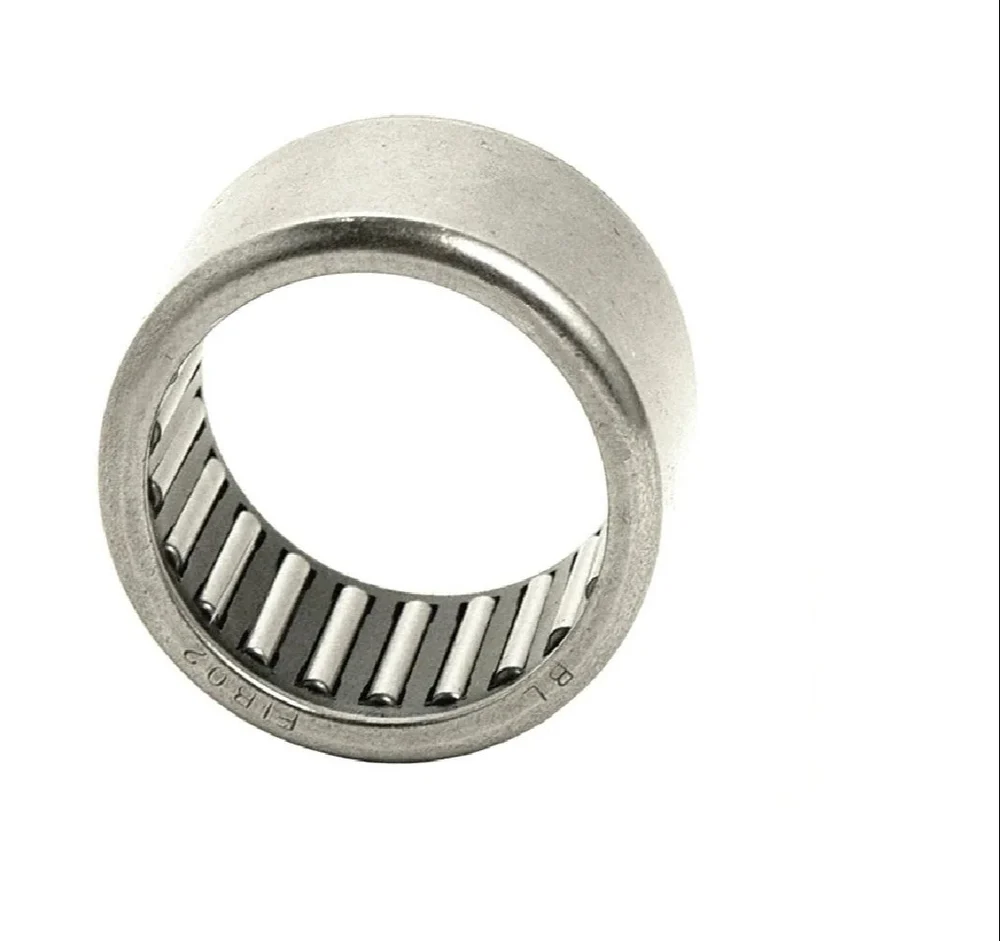
The following Needle Bearing is supplied in a round design with stainless steel construction and a polished surface finish.
| Product Detail | Specification |
|---|---|
| Product | Needle Bearing |
| Type | Roller Bearing |
| Shape | Round |
| Size | 100 mm |
| Material | Stainless Steel |
| Surface Finishing | Polished |
| Color | Silver |
| Packaging Type | Box |
| Country of Origin | Made in India |
Needle Bearing 100 mm
This product is designed for applications where a compact roller-bearing solution with a 100 mm size is required.
Its stainless steel construction provides a durable material option, while the polished surface finish supports a clean and refined product surface.
Before ordering, buyers should verify the required bearing dimensions, shaft arrangement, operating conditions, load, speed, lubrication requirements, and installation configuration.
Needle Roller Bearing Product Specifications
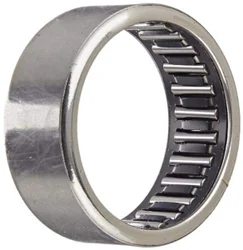
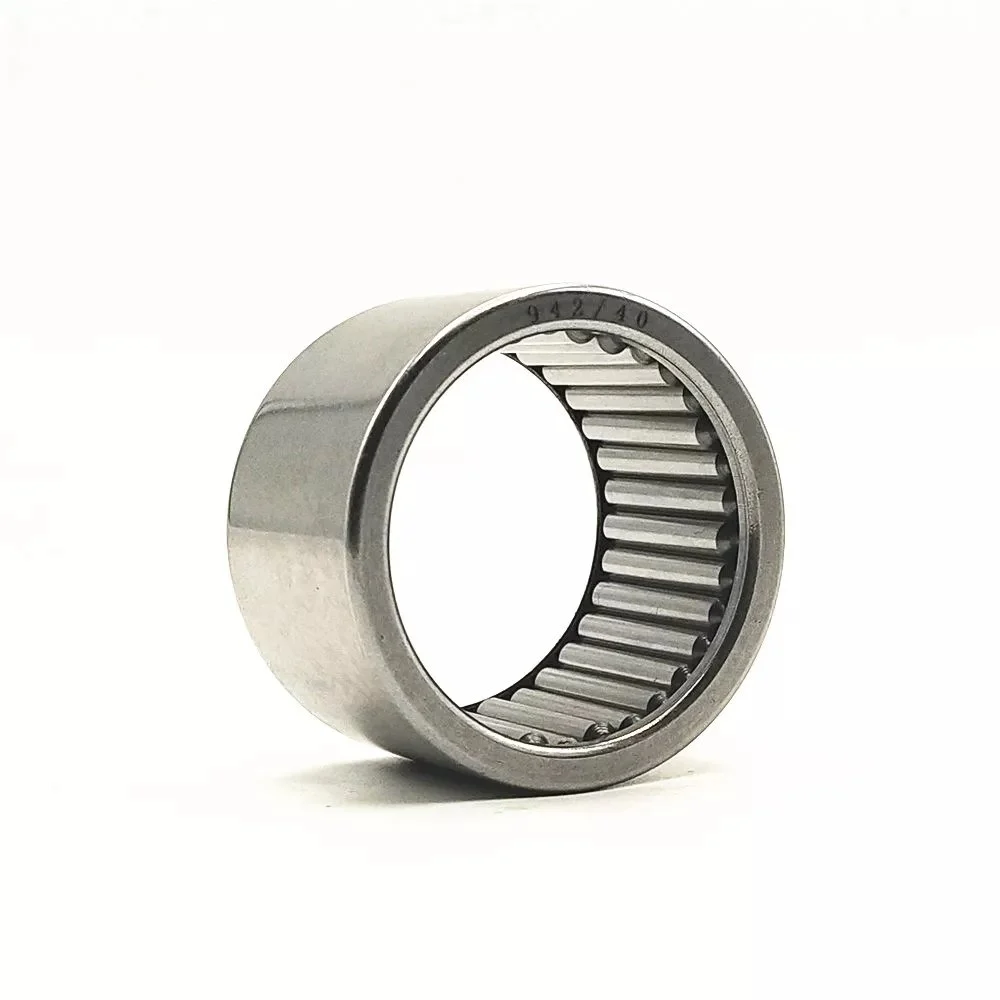
The following Needle Roller Bearing is supplied with stainless steel construction and a round configuration.
| Product Detail | Specification |
|---|---|
| Product | Needle Roller Bearing |
| Minimum Order Quantity | 10 Piece |
| Material | Stainless Steel |
| Type | Roller Bearing |
| Diameter | 90 mm |
| Color | Silver |
| Shape | Round |
| Packaging Type | Box |
| Thickness | 8 mm |
| Country of Origin | Made in India |
Needle Roller Bearing 90 mm Diameter
This needle roller bearing has a specified 90 mm diameter and 8 mm thickness, making it suitable for applications requiring a compact roller-bearing configuration.
The minimum order quantity is 10 pieces, making this option practical for industrial buyers, machinery manufacturers, maintenance teams, component distributors, and OEM requirements where multiple bearing units may be required.
Applications of Needle Bearings
Needle bearings can be used in a wide range of mechanical and industrial applications.
Common applications include:
- Automotive transmission components
- Gearboxes
- Pumps
- Power transmission systems
- Industrial machinery
- Agricultural equipment
- Machine tools
- Electric and mechanical equipment
- Automotive mechanisms
- Compact shaft assemblies
- Construction equipment
- Material-handling machinery
Practical Example
Consider a gearbox where the available space around a shaft is restricted. Installing a larger bearing may require redesigning the housing. A needle roller bearing can potentially provide the required radial support within a more compact radial envelope.
However, engineers should always verify the bearing's dynamic and static load requirements, speed, lubrication, operating temperature, shaft and housing dimensions, and expected service conditions before final selection.
How to Choose the Right Needle Bearing
Selecting a needle bearing should be based on the complete operating environment.
1. Check Bearing Dimensions
Confirm:
- Bore or shaft diameter
- Outside diameter
- Bearing width or thickness
- Available housing space
- Required radial clearance
Even a small dimensional mismatch can prevent correct installation.
2. Determine the Load
Identify whether the bearing will experience:
- Radial load
- Axial load
- Combined loading
- Shock or fluctuating loads
Needle bearings are primarily associated with radial load support, while axial-load capability depends on the specific bearing arrangement.
3. Consider Operating Speed
Bearing speed affects friction, heat generation, lubrication requirements, and service life. The correct bearing should therefore be selected according to the manufacturer's applicable speed and operating recommendations.
4. Select the Appropriate Material
Stainless steel can be advantageous where material durability and corrosion resistance are important.
5. Check Lubrication Requirements
Proper lubrication helps control friction and wear. The lubricant should be compatible with the bearing, operating temperature, speed, and surrounding environment.
6. Consider Environmental Conditions
Applications involving:
- Dust
- Moisture
- Chemicals
- High temperatures
- Frequent washing
- Contaminated environments
may require an appropriate bearing construction, sealing arrangement, lubricant, or material selection.
Factors That Affect Needle Bearing Performance
Bearing performance is influenced by more than the bearing itself.
Important factors include:
- Correct shaft and housing dimensions
- Proper installation
- Alignment
- Radial clearance
- Load distribution
- Operating speed
- Lubrication
- Temperature
- Contamination control
- Surface condition of mating components
- Correct storage and handling
Maintenance and Installation Considerations
Correct handling can help prevent premature bearing problems.
Recommended Practices
- Keep bearings in their original packaging until installation.
- Avoid exposing bearings unnecessarily to dust or moisture.
- Clean the surrounding components before installation.
- Verify shaft and housing dimensions.
- Use suitable tools rather than applying uncontrolled impact directly to the bearing.
- Apply the recommended lubricant where lubrication is required.
- Avoid excessive contamination during assembly.
- Monitor unusual noise, vibration, heat, or resistance during operation.
Signs such as abnormal noise, excessive vibration, overheating, surface damage, or unusual rotational resistance should be investigated rather than ignored.
Why Choose Stainless Steel Needle Bearings?
Stainless steel is widely selected for bearing applications where material durability and corrosion resistance are important.
The stainless steel needle bearings listed on this page offer:
- Stainless steel construction
- Round bearing configuration
- Industrial roller-bearing design
- Practical dimensional options
- Made-in-India origin
- Box packaging
- Options suitable for different industrial requirements
For buyers ordering multiple units, the 90 mm needle roller bearing has a minimum order quantity of 10 pieces.
Frequently Asked Questions
A needle bearing is a roller bearing that uses long, slender cylindrical rollers to support radial loads while maintaining a relatively compact radial design.
Needle roller bearings are commonly used in compact mechanical systems such as gearboxes, transmissions, pumps, industrial machinery, automotive mechanisms, and power transmission equipment.
Not universally. Needle bearings can be advantageous when compact radial dimensions and radial load capacity are important. Ball bearings may be preferable when other requirements, such as high rotational speed or combined loading, make them more suitable.
The products specified on this page are made from stainless steel.
The specified needle roller bearing has a 90 mm diameter and 8 mm thickness.
The specified needle bearing has a 100 mm size.
The minimum order quantity for the specified needle roller bearing is 10 pieces.
Yes. The supplied product specifications identify the Country of Origin as Made in India.
Needle bearings can be used in industrial machinery, gearboxes, transmissions, pumps, automotive components, agricultural machinery, power transmission equipment, and other applications requiring suitable radial bearing support.
Check the required dimensions, radial and axial loads, operating speed, shaft and housing arrangement, lubrication, temperature, environmental conditions, clearance, and expected service life before selecting a bearing.
Yes. The specified needle roller bearing has a minimum order quantity of 10 pieces, making it suitable for bulk industrial requirements.
Conclusion
Needle bearings provide a practical solution for applications requiring radial load support within a compact mechanical arrangement. Their long cylindrical rollers provide a large contact area while maintaining a relatively small radial envelope.
The stainless steel needle bearing and needle roller bearing options listed here are suitable for buyers looking for industrial roller-bearing products with clearly defined specifications.
The available products include a 90 mm diameter needle roller bearing with 8 mm thickness and a 100 mm needle bearing with a polished surface finish. Both product specifications identify stainless steel as the material and Made in India as the country of origin.
For accurate selection, always match the bearing dimensions and construction with the actual load, speed, lubrication, temperature, shaft, housing, and operating environment.
Request a Quote for Needle Bearings
Looking for needle bearings or stainless steel needle roller bearings for your machinery, OEM production, maintenance requirement, or industrial application?
Share your required size, quantity, application, and specifications to discuss the appropriate product option and receive a quotation.