Spherical Roller Bearings
Spherical roller bearings are heavy-duty rolling-element bearings designed to accommodate high radial loads, substantial axial loads and shaft misalignment. Their spherical raceway and barrel-shaped rollers allow the bearing to maintain smooth operation even when shaft deflection or housing misalignment occurs.
They are widely used in demanding industrial equipment where conventional bearings may not provide sufficient load capacity or self-aligning capability.
At Balaji Bearing Co., spherical roller bearings can be selected according to application requirements such as bore diameter, outside diameter, width, internal clearance, cage construction, bearing series and operating conditions.
Whether the requirement is for conveyor systems, industrial gearboxes, crushers, mining equipment or heavy machinery, choosing the correct bearing design is essential for reliable performance and service life.
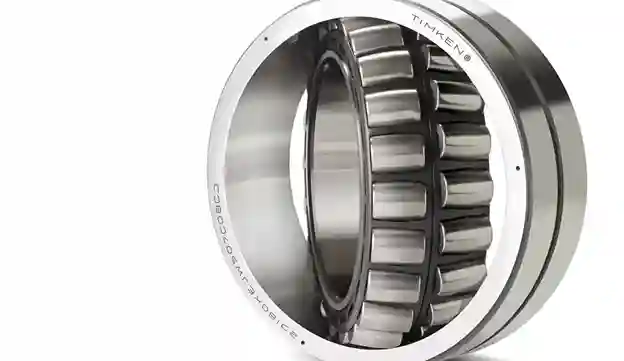
What Are Spherical Roller Bearings?
A spherical roller bearing is a self-aligning bearing containing two rows of barrel-shaped rollers that run on a spherical outer raceway.
The internal geometry enables the bearing to compensate for certain angular misalignment between the shaft and housing. This makes spherical roller bearings particularly useful in machines where shaft bending, housing deformation or installation tolerances can occur.
Why are spherical roller bearings used?
They are generally selected when machinery requires:
- High radial load capacity
- High shock-load resistance
- Axial load capacity in both directions
- Compensation for shaft or housing misalignment
- Reliable operation under demanding conditions
- Long service life when correctly selected and maintained
How Do Spherical Roller Bearings Work?
The bearing normally consists of an inner ring, outer ring, rollers and cage.
The spherical outer raceway provides the self-aligning characteristic, while the barrel-shaped rollers distribute the applied load over an effective contact area.
Most industrial spherical roller bearings use two rows of rollers, allowing them to carry substantial loads while maintaining alignment during operation.
For example, a 22322-E1-XL-C3 spherical roller bearing has a cylindrical bore, CC internal design, steel cage and C3 internal clearance. Its two-row construction makes it suitable for applications requiring significant radial load capacity.
Key Features of Spherical Roller Bearings
1. High Load-Carrying Capacity
Spherical roller bearings are designed for demanding applications where radial loads can be substantial.
The two-row roller arrangement provides a large effective load-carrying area.
2. Self-Aligning Capability
One of the primary advantages is their ability to accommodate angular misalignment between the shaft and housing.
This can be valuable in equipment exposed to:
- Shaft deflection
- Housing deformation
- Installation tolerances
- Heavy operating loads
3. High Shock Resistance
Heavy industrial machinery can experience sudden or fluctuating loads. Spherical roller bearings are commonly selected for applications where shock loading is a concern.
4. Two-Row Construction
Many spherical roller bearings use two rows of rollers. This design helps provide high radial load capacity within a relatively compact bearing arrangement.
5. Different Internal Clearances
Bearing internal clearance must be selected according to operating conditions.
Common classifications include:
- CN – Normal internal clearance
- C3 – Greater than normal internal clearance
- Other application-specific clearance classes
The correct clearance depends on factors such as operating temperature, interference fit and rotational conditions.
Types and Internal Designs of Spherical Roller Bearings
Spherical roller bearings are available in different series and internal configurations.
Common considerations include:
- Cylindrical Bore: A cylindrical bore is commonly used where the bearing is mounted directly onto a shaft with an appropriate fit.
- Tapered Bore: Some spherical roller bearing designs are supplied with tapered bores and can be mounted using adapters or withdrawal sleeves.
- CC Design: CC-type internal designs use an optimized roller and cage arrangement intended for demanding industrial applications.
- E Design: E-design spherical roller bearings are engineered to provide improved load-carrying performance in applicable bearing series.
Spherical Roller Bearing Product Specifications
Below are representative products and bearing specifications supplied for this product category.
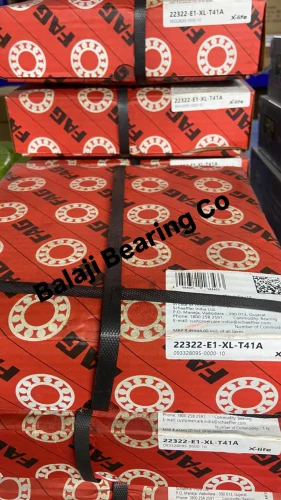
1.Spherical Roller Bearing 22322-E1-XL-C3
| Specification | Details |
|---|---|
| Bearing Type | Spherical Roller Bearing |
| Series | 22300 Series |
| Bore Diameter (d) | 40 mm |
| Outside Diameter (D) | 110 mm |
| Width (B) | 23 mm |
| Bore Type | Cylindrical Bore |
| Internal Design | CC |
| Cage Material | Steel |
| Internal Clearance | C3 |
| Number of Rows | 2 |
The 22322-E1-XL-C3 is a two-row spherical roller bearing with a 40 mm bore and 110 mm outside diameter. The C3 clearance makes it a relevant option where operating conditions require greater-than-normal internal clearance.
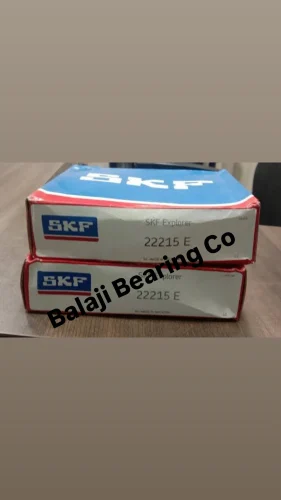
2.SKF Spherical Roller Bearing 22215E
| Specification | Details |
|---|---|
| Brand | SKF |
| Bearing Type | Spherical Roller Bearing |
| Series | 22200 Series |
| Bore Diameter (d) | 50 mm |
| Outside Diameter (D) | 90 mm |
| Width (B) | 23 mm |
| Bore Type | Cylindrical Bore |
| Internal Design | E |
| Cage Material | Steel |
| Internal Clearance | CN – Normal |
| Number of Rows | 2 |
The 22215E SKF spherical roller bearing features a 50 mm bore, 90 mm outside diameter and 23 mm width. Its two-row E-design construction and normal internal clearance make it suitable for applications where the corresponding dimensional and operating requirements are met.
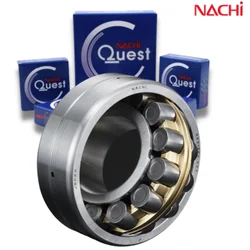
3. Four-Roll Spherical Bearing
The supplied product information identifies this bearing as a four-roll spherical bearing.
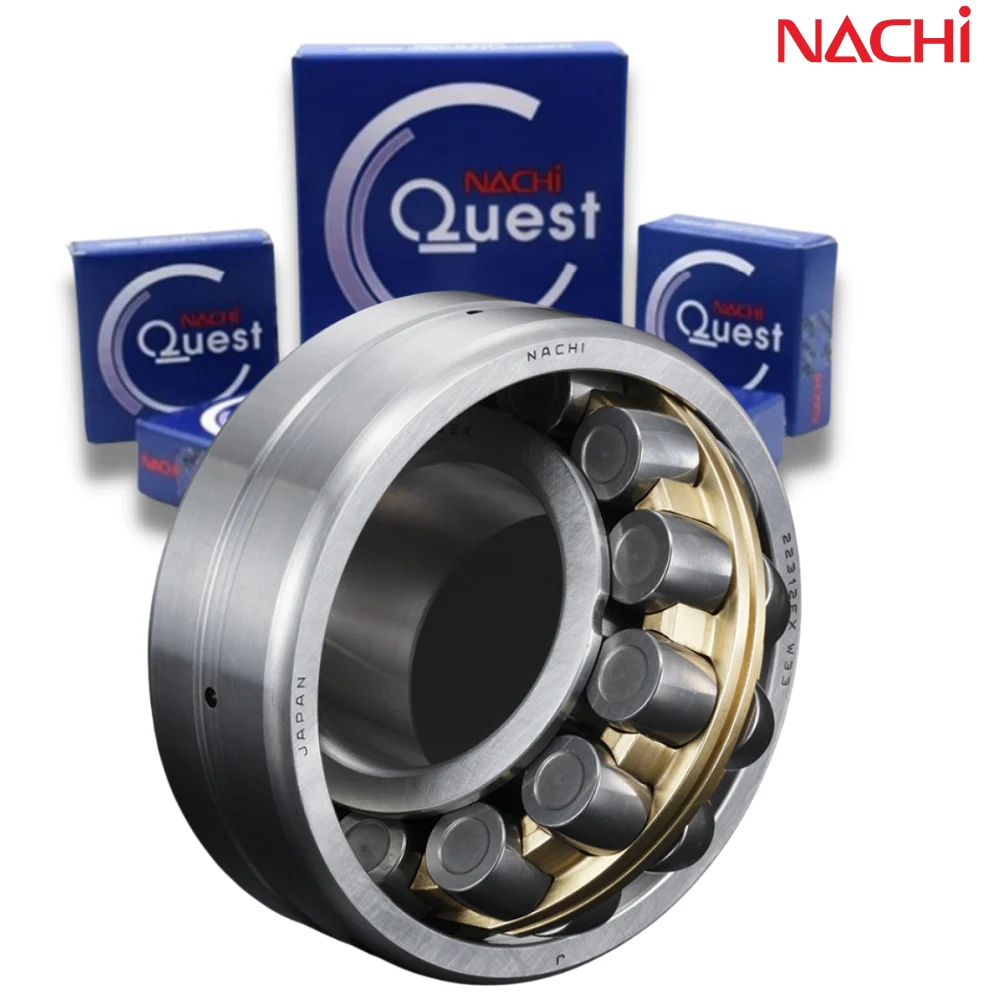
| Specification | Details |
|---|---|
| Brand | SKF |
| Bore Diameter (d) | 40 mm |
| Outside Diameter (D) | 110 mm |
| Width (B) | 23 mm |
| Bore Type | Cylindrical Bore |
| Internal Design | CC |
| Cage Material | Steel |
| Number of Rows | 2 |
The bearing should be selected based on the machine manufacturer's requirements, actual operating loads, speed, lubrication and mounting arrangement.
Related Roller Bearing Products
Not every bearing in the supplied product list is a spherical roller bearing. However, these products may be relevant when customers are comparing different roller-bearing designs.
L 476549 / L 476510 Radial Taper Roller Bearing
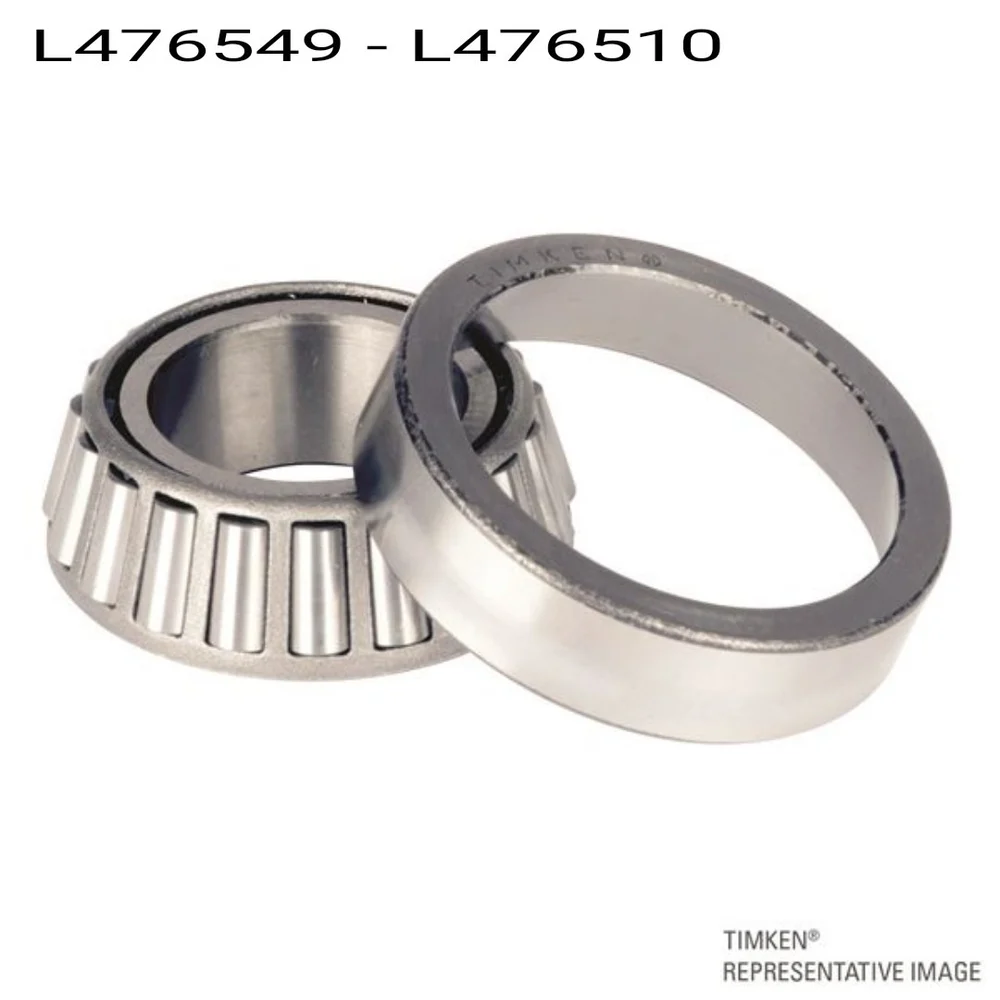
| Specification | Details |
|---|---|
| Bearing Number | 30205 |
| Bore Diameter (ID) | 25 mm |
| Outer Diameter (OD) | 52 mm |
| Number of Rows | Single Row |
| Application | Automotive, Industrial |
| Material | Chrome Steel |
| Cage Type | Steel Cage |
The 30205 is identified as a radial/tapered roller bearing rather than a spherical roller bearing. Tapered roller bearings are generally selected where combined radial and axial load handling is required.
Z-531546 TRI – FAG Tapered Roller Bearing
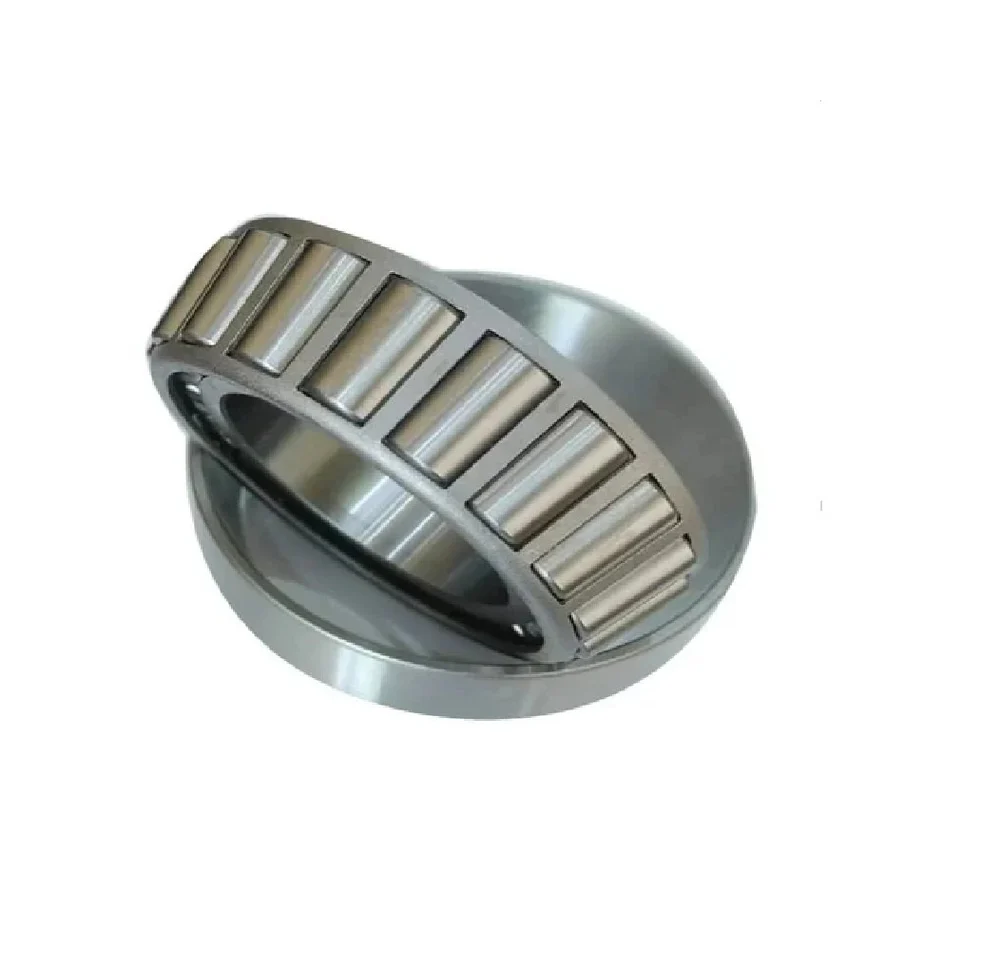
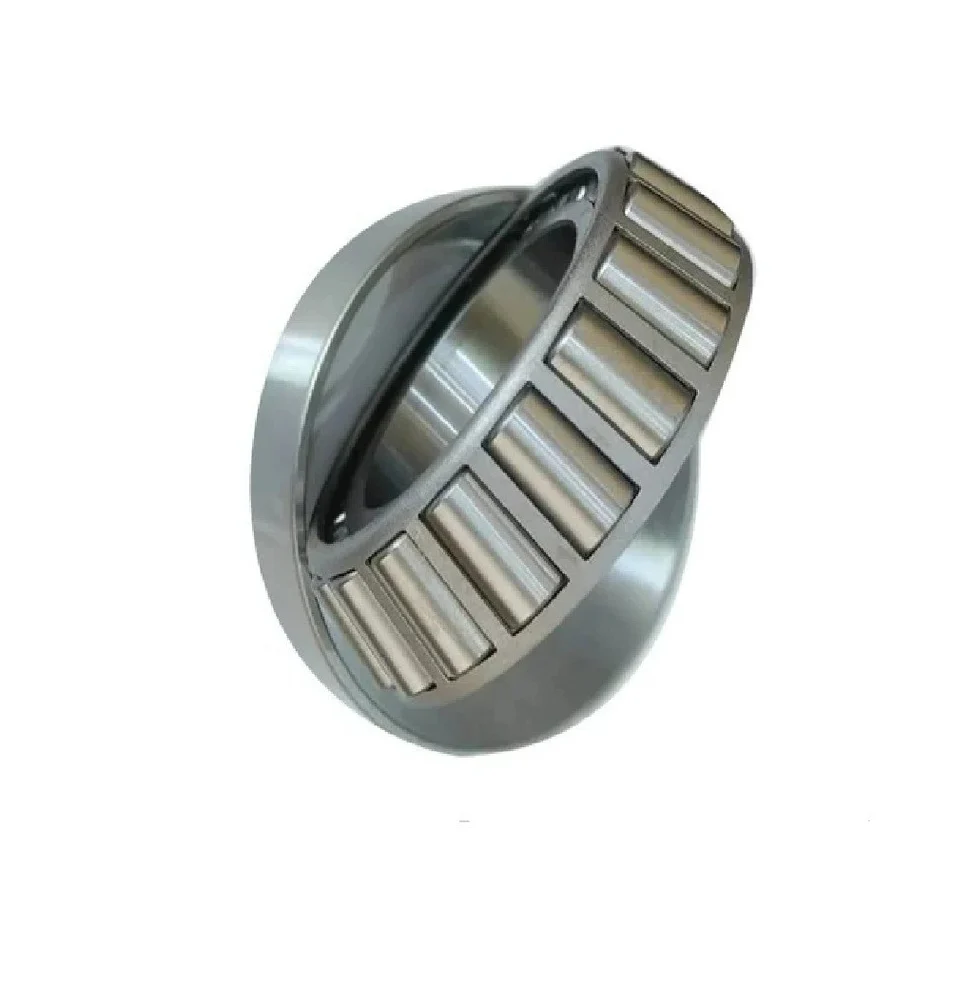
| Specification | Details |
|---|---|
| Type | Tapered |
| Bearing Number | Z531546 TRI |
| Material | Stainless Steel |
| Outer Diameter | 634.87 mm |
| Inner Diameter | 482.60 mm |
| Number of Rows | Double Row |
| Weight | 65.5 kg |
| Minimum Order Quantity | 1 Piece |
| Packaging | Box |
| Country of Origin | Made in India |
This large double-row tapered roller bearing is intended for applications requiring substantial load-handling capability. Final selection should be based on the equipment's engineering requirements.
LM119348DW / LM119310 / LM119310D – Timken
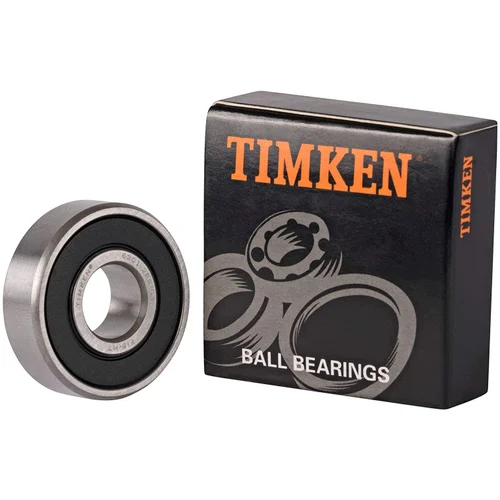
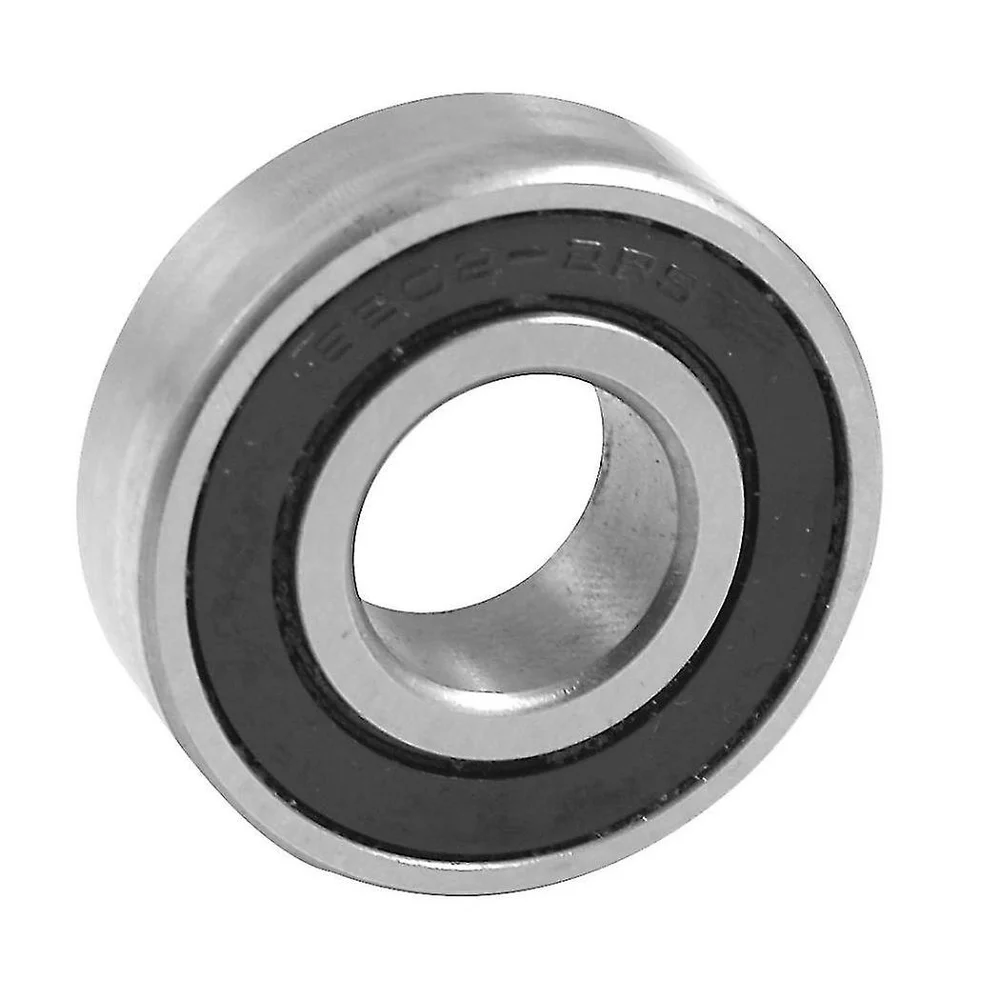
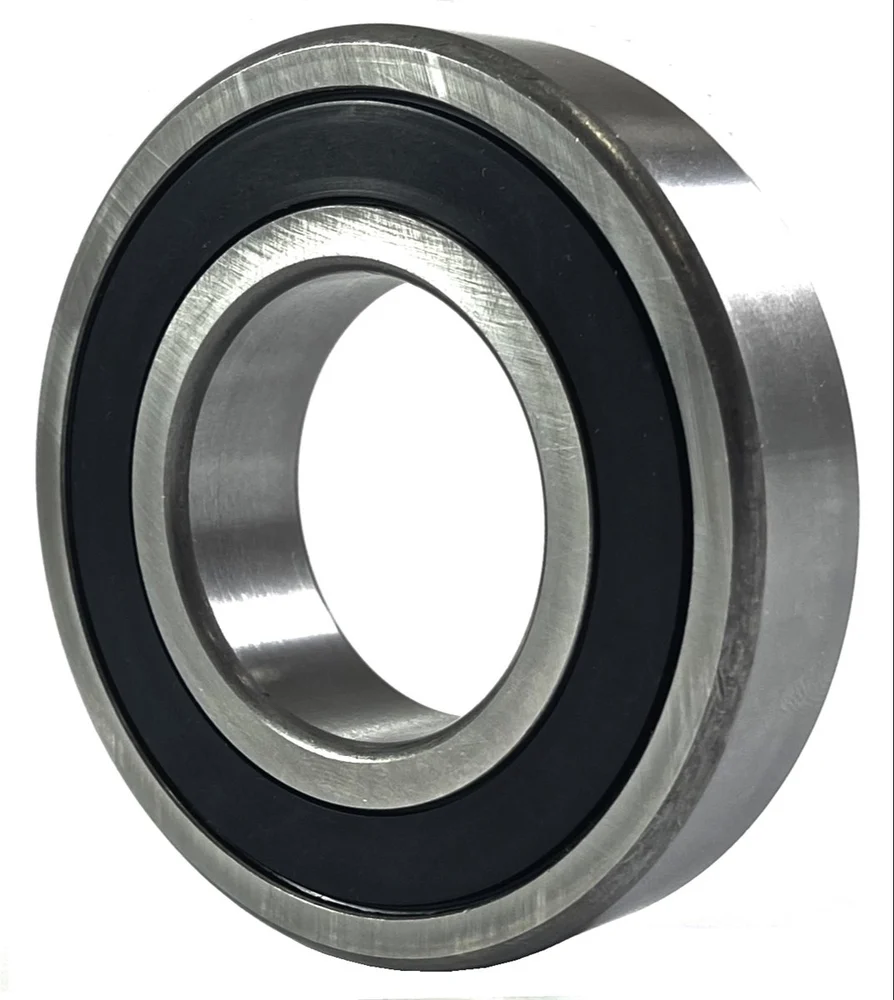
| Specification | Details |
|---|---|
| Brand | Timken |
| Bearing Type | Tapered Roller Bearing |
| Bearing Number | LM119348DW / LM119310 / LM119310D |
| Bore Diameter | 35 mm |
| Material | Stainless Steel |
| Shape | Round |
| Packaging | Box |
| Country of Origin | Made in India |
These part numbers are identified as tapered roller bearings and should therefore be evaluated separately from spherical roller bearing designs.
Spherical Roller Bearings vs Tapered Roller Bearings
| Feature | Spherical Roller Bearing | Tapered Roller Bearing |
|---|---|---|
| Main Design | Spherical outer raceway with barrel rollers | Tapered rollers and raceways |
| Rows | Commonly two | Single or double |
| Misalignment | High self-aligning capability | Generally requires controlled alignment |
| Radial Load | Very high | High |
| Axial Load | High, depending on design | High |
| Typical Applications | Heavy industrial machinery, conveyors, crushers | Automotive, gearboxes, wheel hubs, machinery |
| Bore Options | Cylindrical or tapered | Commonly tapered geometry |
Expert insight: If shaft or housing misalignment is a major concern, a spherical roller bearing may be preferable. If the application requires controlled combined radial and axial load handling with defined adjustment/preload arrangements, a tapered roller bearing may be more appropriate.
Applications of Spherical Roller Bearings
Spherical roller bearings are commonly used across heavy-duty industries.
Industrial Machinery
Applications include:
- Gearboxes
- Conveyors
- Material-handling equipment
- Industrial fans
- Pumps
- Crushers
- Heavy machinery
Mining and Quarrying
Mining equipment can generate high radial loads, vibration and shock. Spherical roller bearings are commonly considered for:
- Conveyor systems
- Crushers
- Screens
- Pulley assemblies
- Material-handling equipment
Steel and Metal Processing
They can be used in machinery exposed to heavy loads and demanding operating conditions.
Agriculture
Agricultural machinery may experience variable loads, contamination and shaft misalignment. Bearing selection should account for the actual environment and lubrication requirements.
How to Select the Right Spherical Roller Bearing
Choosing a bearing only by bore diameter is not enough. Follow these steps:
1. Check Shaft Diameter
The bearing bore must match the required shaft arrangement. For example:
- 22322-E1-XL-C3 → 40 mm bore
- 22215E → 50 mm bore
2. Check Outside Diameter and Width
The available housing space must accommodate the bearing's outside diameter and width.
3. Calculate the Loads
Determine:
- Radial load
- Axial load
- Static load
- Dynamic load
- Shock or impact loading
4. Check Operating Speed
Bearing speed requirements should be evaluated against the manufacturer's permissible limits and lubrication conditions.
5. Select Internal Clearance
CN and C3 are not interchangeable specifications. C3 provides greater internal clearance than CN, but that does not automatically make C3 the better choice. Operating temperature, mounting fits and shaft expansion must be considered.
6. Consider Lubrication
Grease and oil lubrication have different operating characteristics. The lubricant should be selected according to speed, temperature, load and environmental conditions.
7. Verify Mounting Arrangement
Check whether the application requires:
- Cylindrical bore
- Tapered bore
- Adapter sleeve
- Withdrawal sleeve
- Direct mounting
Installation and Maintenance Best Practices
Correct installation is essential for bearing performance.
Before Installation
- Clean the shaft and housing.
- Check dimensions and fits.
- Inspect the bearing packaging.
- Confirm the bearing part number.
- Use suitable installation equipment.
During Installation
Never apply installation force through the wrong bearing ring. Improper mounting can damage the rolling elements and raceways. Avoid:
- Hammering directly on the bearing
- Contaminating the lubricant
- Using excessive mounting force
- Incorrect shaft or housing fits
During Operation
Monitor:
- Temperature
- Noise
- Vibration
- Lubrication condition
- Seal condition
- Abnormal wear
Unexpected increases in vibration or temperature can indicate lubrication problems, misalignment, overloading, contamination or bearing damage.
Frequently Asked Questions
A spherical roller bearing is a self-aligning rolling-element bearing that normally uses two rows of barrel-shaped rollers. It is designed to handle high radial loads and accommodate a degree of shaft-to-housing misalignment.
They are commonly used in heavy-duty industrial equipment such as conveyors, gearboxes, crushers, mining machinery, material-handling systems and other applications involving high loads or possible misalignment.
CN represents normal internal clearance, while C3 represents internal clearance greater than normal. The appropriate clearance depends on operating temperature, mounting fits, speed and application conditions.
Yes. The supplied specification identifies 22322-E1-XL-C3 as a two-row spherical roller bearing with a cylindrical bore, CC internal design, steel cage and C3 internal clearance.
The supplied specification for SKF 22215E gives a 50 mm bore diameter, 90 mm outside diameter and 23 mm width.
No. They are different bearing designs. Spherical roller bearings use spherical raceways and barrel-shaped rollers and provide self-aligning capability. Tapered roller bearings use tapered rollers and raceways and are designed to handle combined radial and axial loads.
Yes. Their internal geometry allows them to accommodate a degree of angular misalignment between the shaft and housing. The allowable misalignment depends on the bearing design and operating conditions.
Consider bore diameter, outside diameter, width, radial and axial loads, speed, operating temperature, internal clearance, lubrication, mounting method, misalignment and environmental conditions.
Why Choose the Right Bearing Specification?
A bearing is not selected simply because it physically fits a shaft. Two bearings with similar dimensions can have different:
- Internal designs
- Load ratings
- Clearances
- Cage constructions
- Speed capabilities
- Mounting requirements
- Operating limitations
For this reason, bearing selection should be based on application engineering requirements rather than dimensions alone.
For critical machinery, verify the bearing designation and technical specifications against the original equipment manufacturer's requirements or the bearing manufacturer's catalogue before installation.
Conclusion
Spherical roller bearings are a reliable choice for heavy-duty machinery requiring high radial load capacity, self-aligning capability and robust performance.
Their two-row construction, spherical outer raceway and barrel-shaped rollers make them suitable for demanding industrial environments where shaft deflection, housing misalignment and heavy loads can occur.
Products such as the 22322-E1-XL-C3 and SKF 22215E demonstrate how bearing series, bore diameter, internal design, cage material and internal clearance can vary according to application requirements.
At the same time, products such as 30205, Z531546 TRI and LM119348DW/LM119310/LM119310D are tapered roller bearings and should be evaluated as separate bearing designs.
The right bearing should always be selected according to load, speed, misalignment, temperature, clearance, lubrication, mounting arrangement and operating environment.
Get the Right Spherical Roller Bearing
Looking for a spherical roller bearing for an industrial or heavy-duty application?
Contact Balaji Bearing Co. with your bearing number, shaft diameter, application and required quantity. Our team can help you identify the appropriate bearing specification for your application and requirements.