Modern vehicles are designed with thousands of components working together to deliver a safe, comfortable, and efficient driving experience. Among these essential parts, the unit bearing plays a crucial role in ensuring your wheels rotate smoothly while supporting the weight of the vehicle. Although it is a relatively small component, a faulty bearing can affect steering, braking, suspension, and overall driving safety.
Many car owners are unaware of the importance of a unit bearing until they notice unusual noises, vibrations, or poor handling. Understanding what this component does, why it matters, and when it should be replaced can help you avoid expensive repairs and improve your vehicle's performance.
This guide explains everything you need to know about Industrial Unit Bearing, including its function, benefits, common failure symptoms, replacement considerations, maintenance tips, and how to choose the right one for your vehicle.
What Is a Unit Bearing?
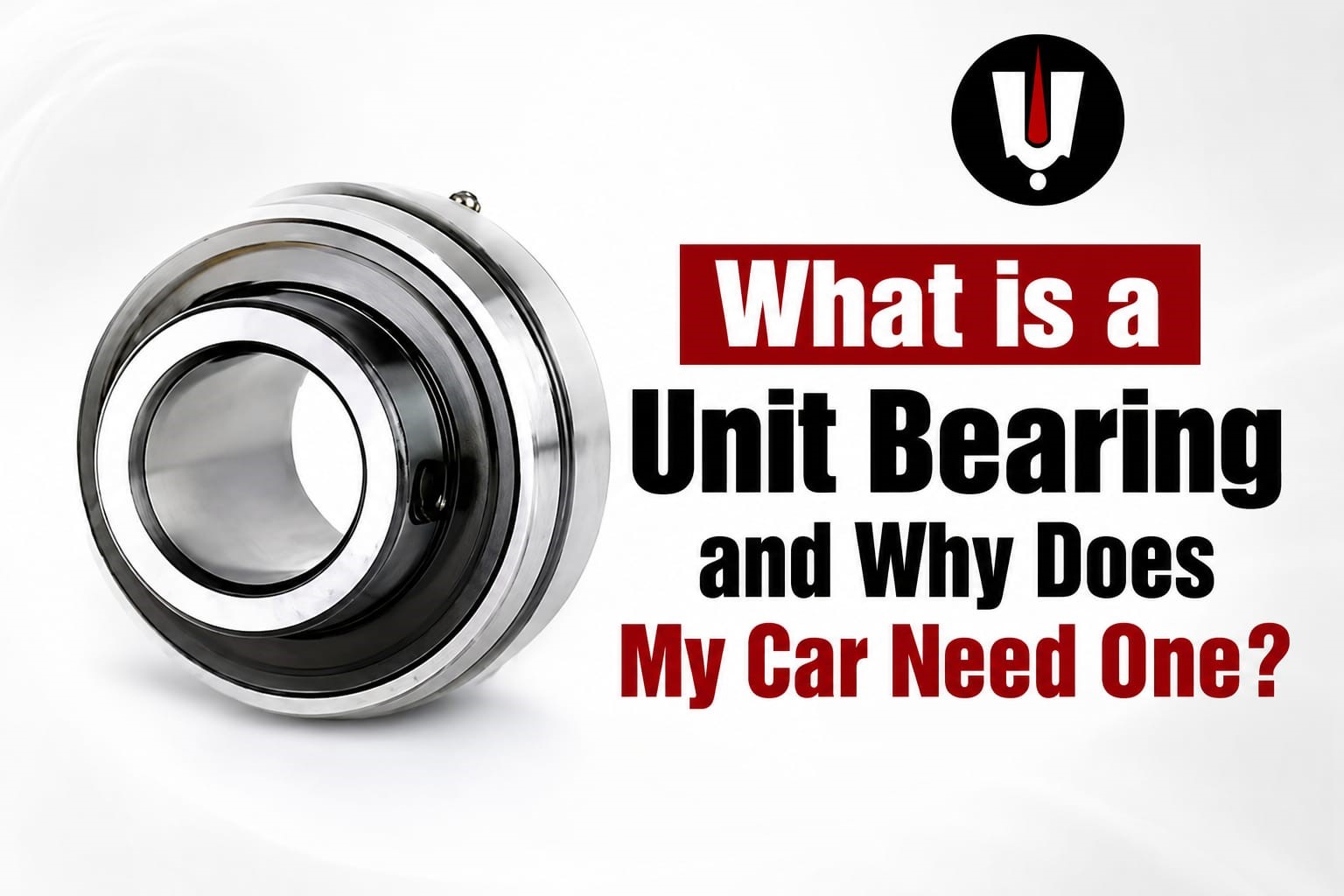
A unit bearing is a pre-assembled wheel bearing and hub assembly that supports the wheel while allowing it to rotate smoothly. Unlike traditional wheel bearings that require individual installation of bearings and seals, an Industrial Unit Bearing comes as a complete factory-assembled unit.
It usually contains:
- Precision rolling bearings
- Wheel hub
- Inner and outer races
- Protective seals
- Lubrication
- Mounting flange
- ABS sensor (in many modern vehicles)
Because it is factory-assembled and pre-lubricated, a bearing unit provides greater reliability, easier installation, and consistent performance compared to conventional wheel bearing systems.
Why Does Your Car Need a Unit Bearing?
Every time your vehicle moves, the wheels rotate thousands of times. The unit bearing allows this movement while carrying the vehicle's weight and reducing friction between moving parts.
Without a properly functioning Industrial Unit Bearing, the wheel cannot rotate smoothly, leading to excessive heat, vibration, and unsafe driving conditions.
Its primary functions include:
- Supporting vehicle weight
- Allowing smooth wheel rotation
- Reducing rolling friction
- Maintaining wheel alignment
- Improving steering performance
- Supporting braking efficiency
- Working with ABS systems
- Minimizing vibration and noise
Simply put, every modern vehicle depends on a reliable Industrial Unit Bearing for safe and efficient operation.
How Does a Unit Bearing Work?
A unit bearing contains rolling elements that rotate between hardened steel races. As the wheel turns, these rolling elements reduce friction while supporting both radial and axial loads.
The unit is permanently lubricated and sealed to protect it from:
- Water
- Dirt
- Dust
- Road debris
- Moisture
Many modern Mounted Unit Bearing asseblies also incorporate ABS sensors, enabling the anti-lock braking system to monitor wheel speed accurately.
Advantages of Using a Unit Bearing
Modern automotive manufacturers prefer unit bearing assemblies because they offer numerous advantages.
- Easy Installation: Since the bearing is supplied as a complete assembly, installation is quicker and requires fewer adjustments.
- Better Reliability: Factory-assembled components provide greater accuracy and consistent quality.
- Reduced Maintenance: A sealed Bearing Unit is pre-lubricated and generally requires no routine lubrication throughout its service life.
- Improved Safety: Proper wheel support enhances steering stability, braking performance, and overall vehicle control.
- Lower Noise: High-quality bearings reduce vibration and operating noise for a smoother driving experience.
- Longer Service Life: Premium materials and precision manufacturing increase durability under demanding load conditions.
Common Signs of a Failing Unit Bearing
A worn or damaged unit bearing often gives clear warning signs before complete failure.
- Humming Noise: A constant humming or growling sound that changes with vehicle speed is one of the most common symptoms.
- Grinding Sound: Metal-to-metal contact inside a worn bearing may produce a grinding noise.
- Steering Vibration: A damaged Mounted Bearings can cause vibrations that are noticeable through the steering wheel.
- Uneven Tire Wear: Improper wheel alignment caused by bearing wear may lead to uneven tire wear.
- ABS Warning Light: Vehicles equipped with integrated ABS sensors may display an ABS warning light if the Industrial Unit Bearing begins to fail.
- Wheel Play: Loose wheel movement when inspected may indicate excessive bearing wear.
- Poor Handling: A worn Bearing Housing Unit can reduce steering precision and vehicle stability.
What Causes Unit Bearing Failure?
Although modern bearings are designed for long service life, several factors can shorten their lifespan.
- Poor Road Conditions: Frequent driving over potholes and rough roads places excessive stress on the bearing.
- Water Contamination: Damaged seals allow moisture to enter the bearing, causing corrosion.
- Dirt and Debris: Contaminants accelerate wear on the rolling elements.
- Overloading: Carrying loads beyond the vehicle's recommended capacity increases bearing stress.
- Improper Installation: Incorrect installation may damage the bearing before it enters service.
- Accidents: Collision impacts may deform the bearing assembly.
How Long Does a Unit Bearing Last?
The lifespan of a unit bearing depends on:
- Driving habits
- Road conditions
- Vehicle load
- Bearing quality
- Installation quality
- Environmental conditions
Under normal operating conditions, many bearings assemblies provide years of reliable service. Regular vehicle inspections help detect wear before major problems occur.
Why Quality Matters When Buying a Unit Bearing
Not all bearings offer the same level of performance.
A premium unit bearing provides:
- Better steel quality
- Precision manufacturing
- Improved sealing
- Superior lubrication
- Longer operating life
- Better corrosion resistance
- Lower maintenance costs
Although cheaper bearings may reduce the initial purchase price, they often require more frequent replacement.
How to Choose the Right Unit Bearing
Selecting the correct unit bearing ensures reliable performance.
Consider the following factors:
- Vehicle Compatibility
Always select a bearing designed for your vehicle model. - Load Capacity
Choose a bearing capable of supporting your vehicle's operating load. - Bearing Quality
Purchase bearings from trusted manufacturers or authorized suppliers. - ABS Compatibility
Ensure the assembly matches your vehicle's ABS system requirements. - Sealing Performance
High-quality seals protect against contamination. - Warranty
Choose products backed by manufacturer warranties whenever possible.
Unit Bearing Replacement: When Should You Replace It?
Replacement becomes necessary when inspection confirms excessive wear or damage.
Replace the unit bearing if you notice:
- Continuous humming noise
- Grinding sounds
- Steering vibration
- Wheel looseness
- ABS sensor failure
- Uneven tire wear
- Visible bearing damage
Ignoring these warning signs may lead to more expensive suspension or brake repairs.
Can You Drive with a Bad Unit Bearing?
Driving with a damaged bearing is not recommended.
Potential risks include:
- Poor steering control
- Increased braking distance
- Tire damage
- Suspension wear
- Wheel lock-up
- Complete bearing failure
Prompt replacement improves both safety and vehicle reliability.
Tips to Extend Unit Bearing Life
Simple maintenance practices can significantly increase bearing lifespan.
- Avoid driving through deep water whenever possible.
- Slow down over potholes and speed bumps.
- Maintain proper wheel alignment.
- Rotate tires regularly.
- Inspect suspension components.
- Replace damaged seals immediately.
- Use quality replacement parts.
- Schedule regular vehicle inspections.
These practices reduce unnecessary stress on the Bearing Units.
Applications Beyond Passenger Cars
Although commonly associated with cars, Complete Bearing Unit assemblies are also widely used in:
- Commercial vehicles
- SUVs
- Light trucks
- Electric vehicles
- Agricultural machinery
- Construction equipment
- Industrial machinery
- Material handling equipment
Their compact design and reliable performance make them suitable for many demanding applications.
Why Genuine Unit Bearings Are Worth the Investment
Choosing genuine bearings provides several long-term benefits.
These include:
- Improved safety
- Longer service life
- Reduced maintenance
- Better fuel efficiency
- Lower operating costs
- Greater reliability
- Consistent performance
- Reduced downtime
Investing in quality products protects both your vehicle and your maintenance budget.
Conclusion
A unit bearing is one of the most important components in a vehicle's wheel assembly, ensuring smooth wheel rotation, improved steering, stable braking, and safe driving performance. Although it often operates unnoticed, timely inspection and replacement can prevent costly repairs and enhance overall vehicle reliability. Selecting a high-quality bearing and following proper maintenance practices will maximize service life and improve driving comfort. Balaji Bearing India is a trusted supplier of premium-quality bearing solutions for automotive, manufacturing, industrial, agricultural, and engineering sectors. With genuine products, technical expertise, and a strong commitment to quality, Balaji Bearing India helps customers improve equipment performance, reduce downtime, and achieve long-term operational efficiency.
Frequently Asked Questions
A unit bearing is a pre-assembled wheel hub and bearing unit that supports the wheel while allowing smooth rotation.
Understanding whether your application involves radial, axial, or combined load is the first step, and a knowledgeable supplier should be able to guide you the rest of the way based on your machine's specifications.Why is a unit bearing important?
Common symptoms include humming noises, grinding sounds, wheel vibration, ABS warning lights, uneven tire wear, and loose wheel movement.
Its lifespan depends on driving conditions, installation quality, maintenance, and bearing quality, but it is designed to provide long-term service under normal conditions.
Focusing purely on upfront price rather than considering load type compatibility, consistency across batches, and after-sales support, all of which affect the true cost of ownership over timeIt is not advisable. A worn unit bearing can reduce vehicle control and create serious safety risks.
Failure is commonly caused by contamination, poor road conditions, overload, improper installation, damaged seals, corrosion, or impact damage.
Maintain proper wheel alignment, avoid severe impacts, inspect suspension components regularly, and replace worn bearings promptly.
Yes. High-quality assemblies unit bearingprovide longer service life, better reliability, lower maintenance costs, and improved safety.
Most modern passenger vehicles, SUVs, and light commercial vehicles use unit bearing hub assemblies because of their durability and ease of installation.
You can purchase genuine unit bearing products from trusted suppliers such as Balaji Bearing India, which offers high-quality bearing solutions for automotive and industrial