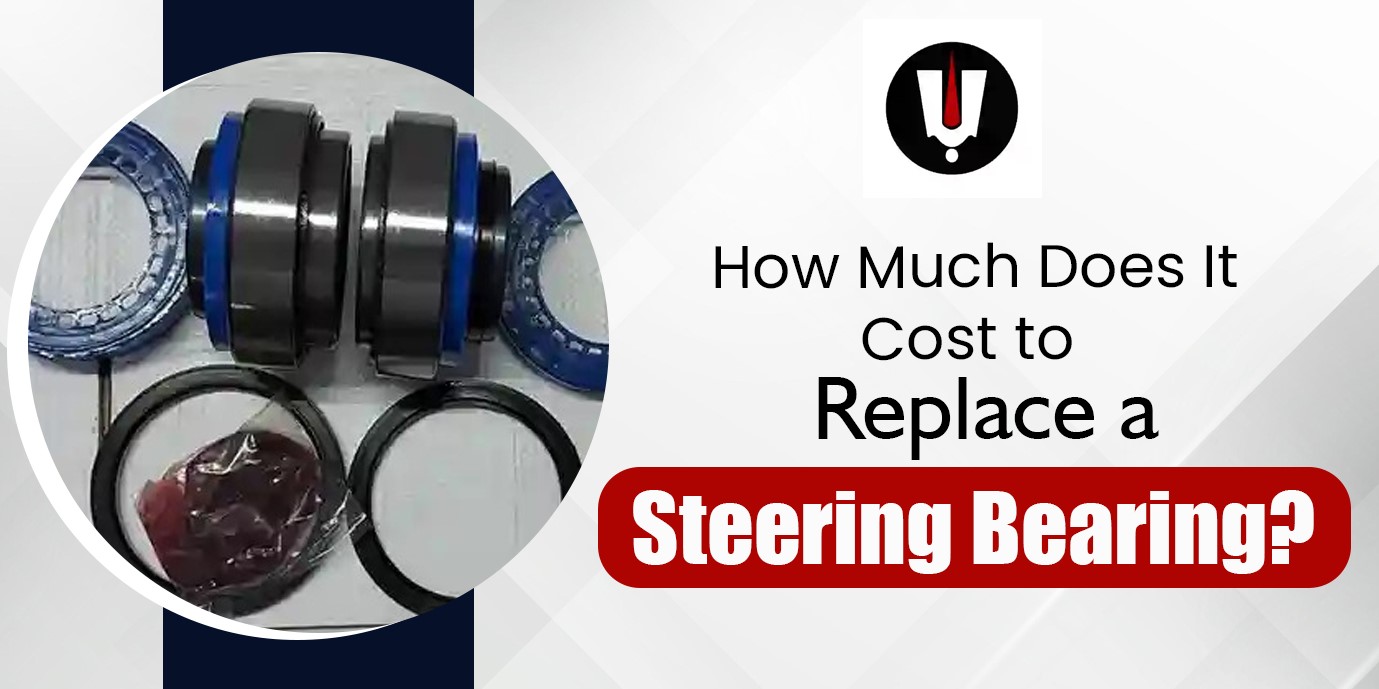
If your steering wheel feels loose, makes a clicking noise when you turn, or your vehicle seems to wander slightly on the road, a worn component in the steering system could be the cause. Many drivers and equipment operators are surprised to learn how much a small part can influence overall handling and safety. If you are trying to figure out how much it costs to replace this part and what factors affect the price, this guide breaks it all down in plain, easy-to-understand language.
What Is a Steering Bearing?
A Steering Bearing is a small but important component that allows the steering column or steering axle to rotate smoothly while supporting the weight and pressure placed on it during turning. It reduces friction between moving parts, allowing you to turn the wheel with less effort and greater precision. Depending on the vehicle or machine, this component may be located in the steering column inside the cabin or at the steering knuckle and axle assembly underneath. In industrial equipment such as forklifts, a Steering Bearing supports the pivot point where the wheels turn side to side, ensuring accurate steering, smooth operation, and reliable handling even under heavy loads.
Why Do These Components Wear Out?
Like most moving parts, this component experiences gradual wear from everyday use. Constant turning, exposure to dirt and moisture, heavy loads, and simply the passage of time all contribute to wear. Vehicles and machines that operate in harsh environments, such as construction sites, warehouses, or off-road conditions, tend to experience faster wear because of extra dust, debris, and vibration. Lack of regular lubrication or maintenance can also speed up the deterioration process significantly.
Signs You May Need a Replacement
Before discussing cost, it helps to know the common warning signs that indicate a replacement might be necessary:
- Clicking or grinding noise: A distinct sound when turning the wheel is one of the most common indicators of wear.
- Looseness or play: If the steering wheel feels loose or wobbly, worn components are often the reason.
- Difficulty turning: Stiffness or resistance while steering can point to internal damage or lack of lubrication.
- Uneven tyre wear: Poor alignment caused by a worn part can lead to irregular tyre wear patterns.
- Vibration while driving: Unusual vibration, especially at higher speeds, may signal a problem in the steering assembly.
If you notice any of these signs, it is worth having a professional inspect the steering system before the issue worsens.
Key Factors That Affect the Cost of Replacement
There is no single fixed price for this kind of repair, as several factors influence the final cost. Understanding them will help you budget more accurately and avoid unexpected surprises.
1. Type of Vehicle or Equipment
Passenger cars, commercial trucks, and industrial equipment like forklifts all use different steering bearing designs. Heavy-duty machines generally require more robust components, which can cost more than standard vehicle parts.
2. Brand and Quality of the Part
Original manufacturer parts usually cost more than generic or aftermarket alternatives. While premium brands often provide better durability, quality aftermarket options can also perform reliably when sourced from a trusted supplier.
3. Labor Charges
Labor cost varies significantly depending on how accessible the part is. Some designs require partial disassembly of the steering column or axle, which increases the time and cost involved. Labor rates also vary by region and by whether you visit an authorized service center or an independent mechanic.
4. Additional Parts or Repairs Needed
Sometimes, a worn steering bearing is not an isolated issue. Related components, such as seals, bushings, or tie rod ends, may also need replacement at the same time, adding to the total bill. A wheel alignment is also commonly recommended after this type of repair.
5. Location and Service Provider
Costs can differ based on your city, the reputation of the service center, and whether you choose a dealership, a local garage, or an industrial parts supplier for equipment repairs. Urban areas with higher operating costs may charge more for both parts and labor.
6. Vehicle Age and Availability of Parts
Older vehicles or discontinued equipment models may require special ordering, which can add both time and cost. Newer or more common models usually have parts readily available, keeping expenses lower.
Average Cost Breakdown
While prices vary widely depending on the factors above, here is a general breakdown of what to expect:
- Part cost: This typically ranges from budget-friendly aftermarket options to higher-priced original manufacturer components, depending on the brand and specification required.
- Labor cost: Labor charges usually make up a significant portion of the total bill, especially for designs that require more disassembly time.
- Total repair cost: When combining parts and labor, most replacements fall into a low, mid, or high price range depending on the vehicle type, part quality, and service provider chosen.
For industrial equipment such as forklifts, the total cost also depends on machine downtime, since some repairs may require the equipment to be out of service temporarily.
How to Reduce the Cost of Replacement
While you cannot avoid wear entirely, a few practical steps can help you manage expenses effectively:
- Get multiple quotes: Comparing prices from different mechanics or suppliers can help you find a fair rate.
- Choose quality aftermarket parts: Reliable aftermarket components can offer good performance at a lower price than original manufacturer parts.
- Perform regular maintenance: Routine lubrication and inspection can extend the life of this component and delay the need for replacement.
- Address issues early: Ignoring early warning signs can lead to additional damage and higher repair costs later on.
- Work with a trusted supplier: An experienced supplier can help you source the correct part quickly, avoiding delays and unnecessary costs.
DIY Replacement vs Professional Service
Some vehicle owners consider replacing this part themselves to save on labor costs. While this can work for people with mechanical experience and the right tools, it is not always the safest choice. The steering system is directly linked to vehicle control, so any mistake during installation, such as incorrect torque, misalignment, or a poorly seated part, can create serious safety risks. Professional technicians have the training, specialized tools, and experience to complete the job correctly the first time, and many also offer a warranty on both parts and labor. For industrial equipment such as forklifts, professional service becomes even more important, since incorrect installation could affect load handling and workplace safety. Weighing the potential savings of a DIY approach against these risks is an important part of the decision.
Cost Differences: Passenger Vehicles vs Industrial Equipment
The price of replacing this component can look quite different depending on whether you are dealing with a passenger car or heavy industrial machinery. Passenger vehicles typically use smaller, mass-produced parts that are widely available, which tends to keep both part and labor costs on the lower side. Industrial equipment, on the other hand, often uses heavier-duty components designed to handle constant loading, tighter turning radii, and rougher operating conditions. These specialized parts can be more expensive, and the labor involved in accessing and replacing them on machines like forklifts may take longer, particularly if the equipment needs to be partially disassembled. Additionally, industrial repairs may involve indirect costs, such as lost productivity while the machine is out of service, which is worth factoring into the overall budget alongside the direct repair cost.
Why Choosing the Right Part Matters
Installing an incorrect or low-quality steering bearing can lead to premature failure, unsafe handling, and even damage to surrounding components. Choosing a properly matched part, whether for a passenger vehicle or industrial equipment, ensures smoother operation, better safety, and fewer repeat repairs. This is especially important for businesses operating forklifts and material handling equipment, where steering reliability directly affects workplace safety and productivity.
Conclusion
The cost of replacing a steering bearing depends on the type of vehicle or equipment, the quality of the part chosen, labor charges, and any additional repairs needed, but understanding these factors can help you plan ahead and avoid unnecessary expenses. For businesses and individuals across India looking for reliable, precision-engineered components, Balaji Bearing India is a trusted supplier with a strong presence in Mumbai, Pune, Kolkata, and Chennai. The company offers a wide range of bearings, including steering, king pin, wheel, and forklift components, sourced from well-known brands such as FAG, SKF, Timken, and NSK, serving industries that depend on dependable material handling and automotive equipment. With extensive industry experience, a broad product inventory, and a focus on quality and timely delivery, Balaji Bearing India helps customers find the right part at a fair price while keeping their vehicles and machines running safely.
Frequently Asked Questions
The cost varies based on the vehicle or equipment type, part brand, and labor charges. Basic passenger vehicle repairs are generally more affordable, while industrial equipment repairs may cost more due to part complexity and labor time.
While it is technically possible for those with mechanical experience, this repair often requires specific tools and knowledge of the steering assembly. Most people prefer professional installation to ensure safety and correct alignment.
Lifespan depends on usage, maintenance, and operating conditions. Regular lubrication and timely inspection can significantly extend its service life, while harsh environments may cause faster wear.
In many cases, yes. Replacing this component can affect wheel alignment, so a professional alignment check is often recommended afterward to ensure even tyre wear and stable handling.
Established industrial suppliers such as Balaji Bearing India offer a wide selection of genuine and equivalent brands, along with technical guidance to help you choose the correct part for your specific vehicle or equipment.