TAPERED ROLLER BEARING
A tapered roller bearing is a rolling-element bearing designed to support combined radial and axial loads. Unlike a conventional ball bearing, it uses tapered rollers that run between a tapered inner ring and outer ring.
The tapered geometry allows the bearing to manage substantial loads while maintaining controlled rolling motion. For this reason, tapered roller bearings are widely used in applications where both load capacity and axial positioning are important.
They are commonly found in automotive wheel hubs, transmissions, gearboxes, agricultural equipment, industrial machinery, conveyors and heavy-duty mechanical systems.
The correct bearing, however, depends on more than bore and outside diameter. Load direction, operating speed, shaft arrangement, lubrication, temperature, mounting conditions and required service life should also be considered.
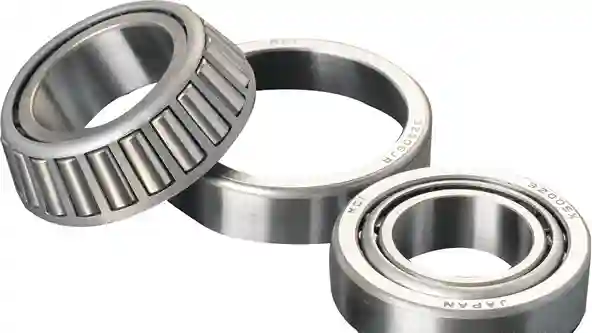
What Is a Tapered Roller Bearing?
A tapered roller bearing is a bearing in which the rollers and raceways are arranged at an angle so that their extended surfaces theoretically meet at a common point on the bearing axis.
This design enables the bearing to handle:
- Radial loads
- Axial loads
- Combined radial and axial loads
- Heavy mechanical loads
- Shock and intermittent loading, depending on the application
A major characteristic of tapered roller bearings is that their axial load-carrying capability is related to the contact angle.
In simple terms, a greater contact angle generally provides greater capacity for axial loads, although the appropriate bearing geometry must always be selected according to the actual operating conditions.
How Does a Tapered Roller Bearing Work?
The bearing uses tapered rollers positioned between two raceways.
When the shaft rotates, the inner ring and rollers rotate relative to the outer ring. The tapered geometry creates controlled contact between the rollers and raceways. The main operating principle is:
Rotational movement → roller movement → load distributed through rollers and raceways
Because the rollers have a tapered profile, the bearing can accommodate radial and axial forces simultaneously.
For example, consider an industrial gearbox where a shaft experiences both downward radial force and an axial force caused by helical gears. A suitable tapered roller bearing can support both forces within its rated operating conditions.
Why is the taper important?
The taper helps establish the appropriate geometry between the roller, inner raceway and outer raceway.
This contributes to:
- High load-carrying capability
- Controlled axial positioning
- Efficient force transmission
- Stable operation when properly adjusted
Main Components of a Tapered Roller Bearing
A typical tapered roller bearing consists of four primary components.
-
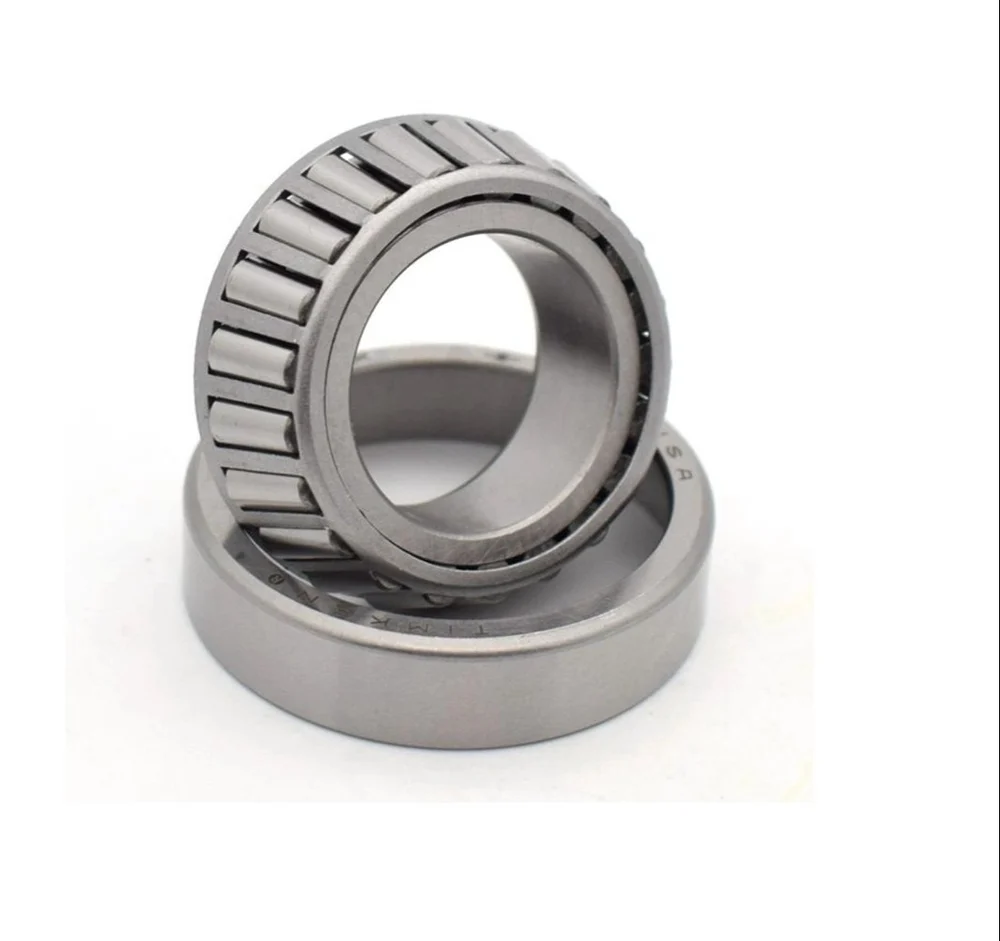
1. Inner Ring: The inner ring, also called the cone, contains the tapered raceway on which the rollers run.
2. Outer Ring: The outer ring, commonly called the cup, provides the outer tapered raceway.
3. Tapered Rollers: These rollers transfer the applied load between the inner and outer raceways.
Their tapered geometry is fundamental to the bearing's ability to carry combined loads.
4. Cage: The cage maintains appropriate spacing between the rollers and helps prevent roller-to-roller contact.
Depending on the design, cages may be manufactured from steel or other suitable materials.
Types of Tapered Roller Bearings
Tapered roller bearings are available in different configurations for different mechanical requirements.
Single Row Tapered Roller Bearing
A single row tapered roller bearing contains one row of tapered rollers.
It is commonly used when radial and axial loads act together and the machine arrangement permits the required bearing configuration.
Typical applications include:
- Automotive systems
- Gearboxes
- Industrial machinery
- Agricultural equipment
- Wheel-end assemblies
Double Row Tapered Roller Bearing
A double row tapered roller bearing incorporates two rows of rollers.
This arrangement can provide higher load-carrying capability and accommodate loads from different directions, depending on the specific design.
Applications may include:
- Heavy machinery
- Industrial gear systems
- Agricultural machinery
- Large rotating assemblies
Imperial Tapered Roller Bearing
Imperial bearings use inch-based dimensions and bearing designations.
They are commonly encountered in machinery and replacement applications where the original equipment was designed around imperial bearing dimensions.
Precision Tapered Roller Bearing
Precision tapered roller bearings are manufactured to tighter dimensional and geometric requirements for applications where accuracy, controlled rotation and predictable performance are important.
Tapered Roller Bearing Applications
Tapered roller bearings are used across several industries because of their ability to handle combined loads.
Automotive
Typical applications include:
- Wheel hubs
- Differentials
- Transmissions
- Axle assemblies
- Driveline systems
Industrial Machinery
They can be used in:
- Gearboxes
- Conveyors
- Machine tools
- Heavy-duty rotating equipment
- Industrial drives
Agricultural Equipment
Agricultural machinery can generate high radial loads, shock loads and demanding operating conditions.
Tapered roller bearings are therefore used in selected:
- Tractors
- Agricultural transmissions
- Wheel assemblies
- Implements
- Driveline systems
Construction and Heavy Equipment
Suitable tapered roller bearing designs can be found in heavy machinery where large loads and demanding operating environments require robust bearing arrangements.
Benefits of Tapered Roller Bearings
The principal advantages include:
- High Load-Carrying Capacity: The roller-based construction provides a relatively large contact area between the rolling elements and raceways.
- Combined Load Capability: A tapered roller bearing can support radial and axial loads simultaneously when properly selected and installed.
- Axial Positioning: Bearing arrangements can be configured to control axial movement of rotating shafts.
- Versatile Configurations: Single-row, double-row and other arrangements allow engineers to match the bearing configuration to the machine design.
- Suitable for Heavy-Duty Applications: When correctly sized, lubricated and installed, tapered roller bearings can operate in demanding industrial environments.
Tapered Roller Bearing vs Ball Bearing
| Feature | Tapered Roller Bearing | Ball Bearing |
|---|---|---|
| Rolling Element | Tapered rollers | Balls |
| Radial Load Capability | High, depending on design | Good to high, depending on design |
| Axial Load Capability | High for suitable configurations | Depends on bearing type |
| Combined Loads | Excellent for suitable designs | Depends on bearing design |
| Typical Use | Heavy-duty and combined-load applications | High-speed and general-purpose applications |
| Adjustment | May require appropriate preload/clearance setting | Generally simpler |
| Applications | Hubs, gearboxes, heavy machinery | Motors, fans, general machinery |
The correct choice should be based on actual operating conditions rather than simply choosing the bearing with the highest load rating.
How to Select the Right Tapered Roller Bearing
Selecting a bearing requires more than matching the shaft diameter.
Consider these factors:
-
1. Bore Diameter: The bearing bore must match the shaft or mounting arrangement within the required dimensional tolerances.
2. Outside Diameter: The outside diameter must fit the available housing space.
3. Bearing Width: Bearing width affects the available installation space and bearing arrangement.
4. Radial Load: Determine the expected radial load under normal and peak operating conditions.
5. Axial Load: Calculate the direction and magnitude of axial forces.
This is particularly important for tapered roller bearings because their geometry is specifically designed to handle axial loading.
6. Speed: Check the required operating speed against the bearing manufacturer's limits and application recommendations.
7. Lubrication: Correct lubrication is essential for minimizing friction, controlling heat and protecting the rolling surfaces.
8. Operating Temperature: Temperature affects lubricant performance, dimensional stability and bearing material properties.
9. Mounting Arrangement: The bearing arrangement may require adjustment, preload or a defined internal clearance depending on the application.
10. Manufacturer and Bearing Designation: Always verify the complete bearing designation before ordering a replacement.
Installation and Maintenance
Correct installation can significantly affect bearing performance.
During Installation
-
1. Clean the shaft and housing.
2. Inspect mating surfaces.
3. Verify bearing dimensions and designation.
4. Use suitable mounting equipment.
5. Avoid transmitting mounting force through the rolling elements.
6. Apply the recommended lubricant.
7. Set the required bearing adjustment or preload where applicable.
8. Check rotation after installation.
During Maintenance
Regularly inspect for:
- Unusual noise
- Excessive vibration
- Abnormal temperature
- Lubricant contamination
- Raceway damage
- Roller wear
- Cage damage
- Excessive play
A bearing that is correctly selected but incorrectly installed can still experience premature failure.
Common Tapered Roller Bearing Failure Symptoms
Watch for these warning signs:
-
1. Unusual Noise: Grinding, rumbling or abnormal running noise can indicate lubrication problems, surface damage, contamination or incorrect adjustment.
2. Excessive Heat: Unexpected temperature rise may be associated with excessive preload, insufficient lubrication, contamination or overload.
3. Vibration: Abnormal vibration can result from damaged rolling surfaces, incorrect mounting, shaft misalignment or other mechanical problems.
4. Excessive Play: Unexpected movement may indicate incorrect adjustment, wear or damage.
5. Surface Damage: Pitting, spalling, scoring or discoloration should be investigated rather than ignored.
Expert Insights for Bearing Selection
From an engineering perspective, bearing selection should start with the load and operating environment—not the bearing number.
A practical selection process is:
Application → Loads → Speed → Temperature → Lubrication → Dimensions → Bearing arrangement → Manufacturer specification
For example, if a shaft has a 25 mm diameter, that does not automatically mean every 25 mm bore tapered roller bearing is interchangeable. The outside diameter, width, dynamic and static load ratings, contact angle, internal geometry and mounting requirements can all differ.
For replacement work, compare the complete bearing designation and dimensional data with the original bearing before placing an order.
Frequently Asked Questions
A tapered roller bearing is a rolling-element bearing that uses tapered rollers and tapered raceways to support radial, axial or combined loads.
Its main function is to support rotating shafts while carrying radial and axial loads and controlling relative movement between components.
They are commonly used in automotive wheel hubs, transmissions, differentials, gearboxes, agricultural machinery, industrial equipment and other rotating systems.
A tapered roller bearing uses tapered rollers and is particularly suitable for combined and heavier loads. A ball bearing uses balls and is often selected where lower friction and higher-speed operation are important.
It contains one row of tapered rollers and is commonly used for applications involving combined radial and axial loading.
It has two rows of tapered rollers and can provide increased load capacity and accommodate loads from different directions, depending on its design.
Consider bore diameter, outside diameter, width, radial and axial loads, speed, temperature, lubrication, mounting arrangement and the manufacturer's bearing specifications.
Many tapered roller bearing arrangements require appropriate adjustment or preload/clearance control. The required setting depends on the bearing design and application.
Yes. Their tapered geometry makes them particularly suitable for applications where axial and radial loads occur together.
Check the bearing's complete designation, bore, outside diameter, width, configuration and manufacturer information. Do not rely only on visual appearance.
Tapered Roller Bearing Product Details
The following products are available in different sizes, configurations and application categories. Please verify the bearing designation and specifications with the supplier before ordering, especially for replacement applications.
EE650170/650270 Timken Imperial Taper Roller Bearing
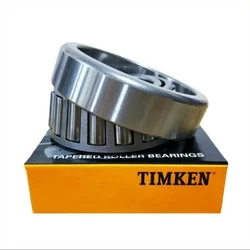
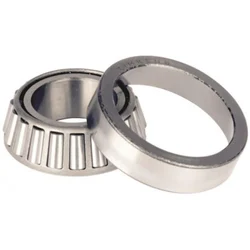
| Specification | Details |
|---|---|
| Minimum Order Quantity | 1 Piece |
| Bore Size | 400 mm |
| Bearing Number | EE650170/650270 |
| Bearing Type | Taper Roller |
| Type | Tapered |
| Material | Stainless Steel |
| Color | Silver |
| Outer Diameter | 685.698 mm |
| Length | 177.8 mm |
| Shape | Square |
| Seal Type | Steel |
| Packaging Type | Box |
| Configuration | Single Row |
L 860049/L 860010 Radial Taper Roller Bearing
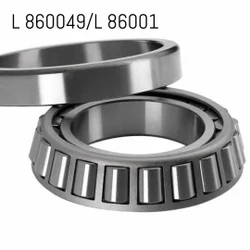
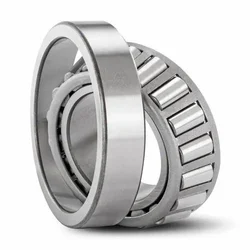
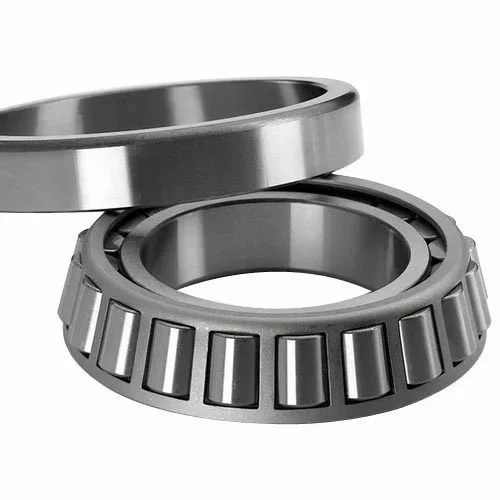
| Specification | Details |
|---|---|
| Bearing Number | 30205 |
| Bore Diameter (ID) | 25 mm |
| Outer Diameter (OD) | 52 mm |
| Number of Rows | Single Row |
| Application | Industrial, Automotive |
| Material | Chrome Steel |
| Cage Type | Steel Cage |
131097/131152X Super Precision Tapered Roller Bearing Plain Cup
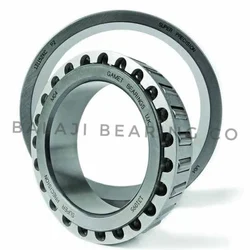
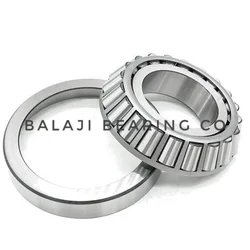
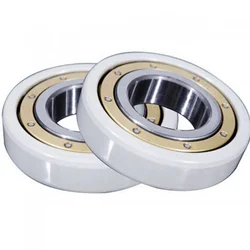
| Specification | Details |
|---|---|
| Bore Size | 90 mm |
| Bearing Number | 131097/131152X |
| Bearing Type | Taper Roller Bearing |
| Material | Bearing Steel |
| Outer Diameter | 152.4 mm |
| Number of Rows | Single Row |
| Load Type | Radial |
| Width | 35 mm |
HM 265049 TD/HM 265010 Bearing
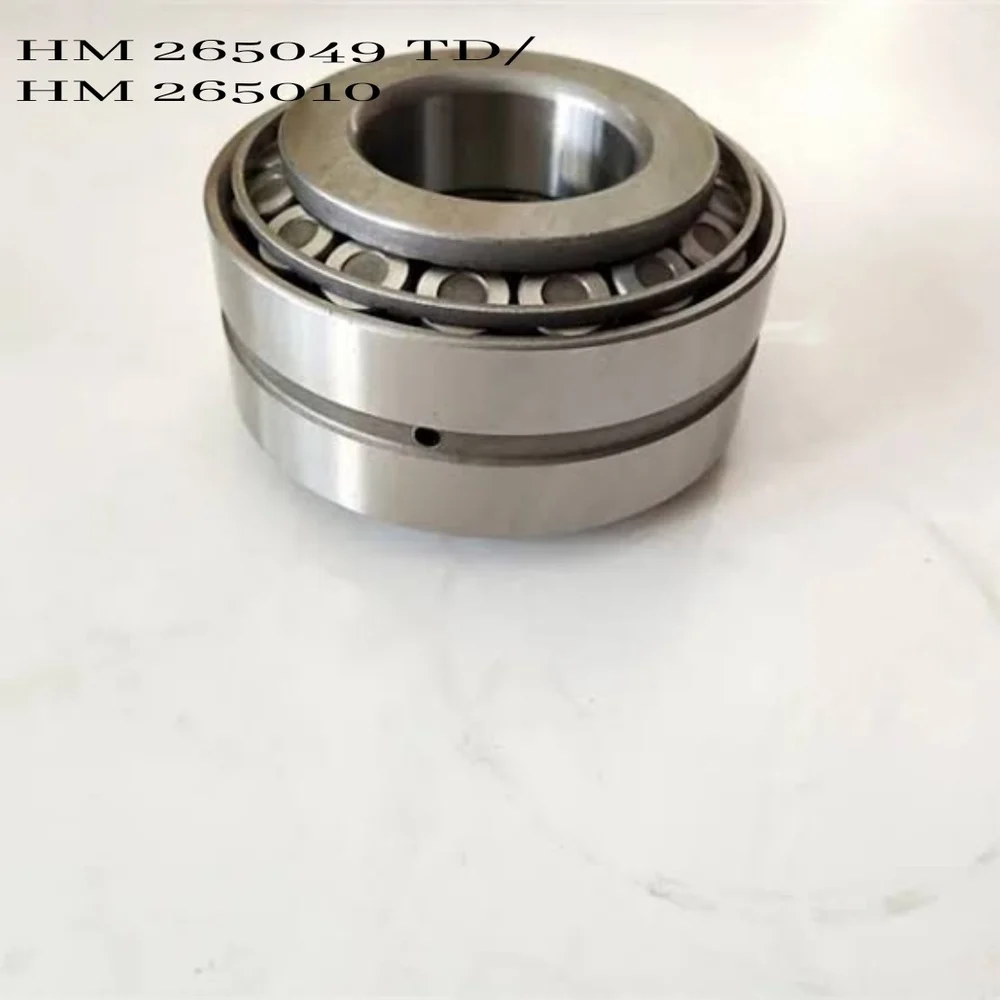
| Specification | Details |
|---|---|
| Bearing Number | 30205 |
| Brand | SKF |
| Bore Diameter (ID) | 25 mm |
| Outer Diameter (OD) | 52 mm |
| Number of Rows | Double Row |
| Application | Automotive, Industrial |
| Material | Chrome Steel |
| Cage Type | Steel Cage |
32026-X-XL FAG Single Row Tapered Roller Bearing
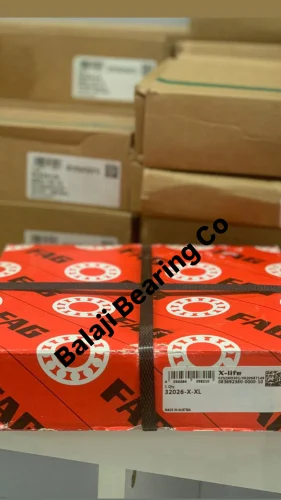
| Specification | Details |
|---|---|
| Bearing Number | 30205 |
| Bore Diameter (ID) | 25 mm |
| Outer Diameter (OD) | 62 mm |
| Number of Rows | Single Row |
| Application | Automotive |
| Material | Chrome Steel |
| Cage Type | Steel Cage |
HM261049TD/HM261010
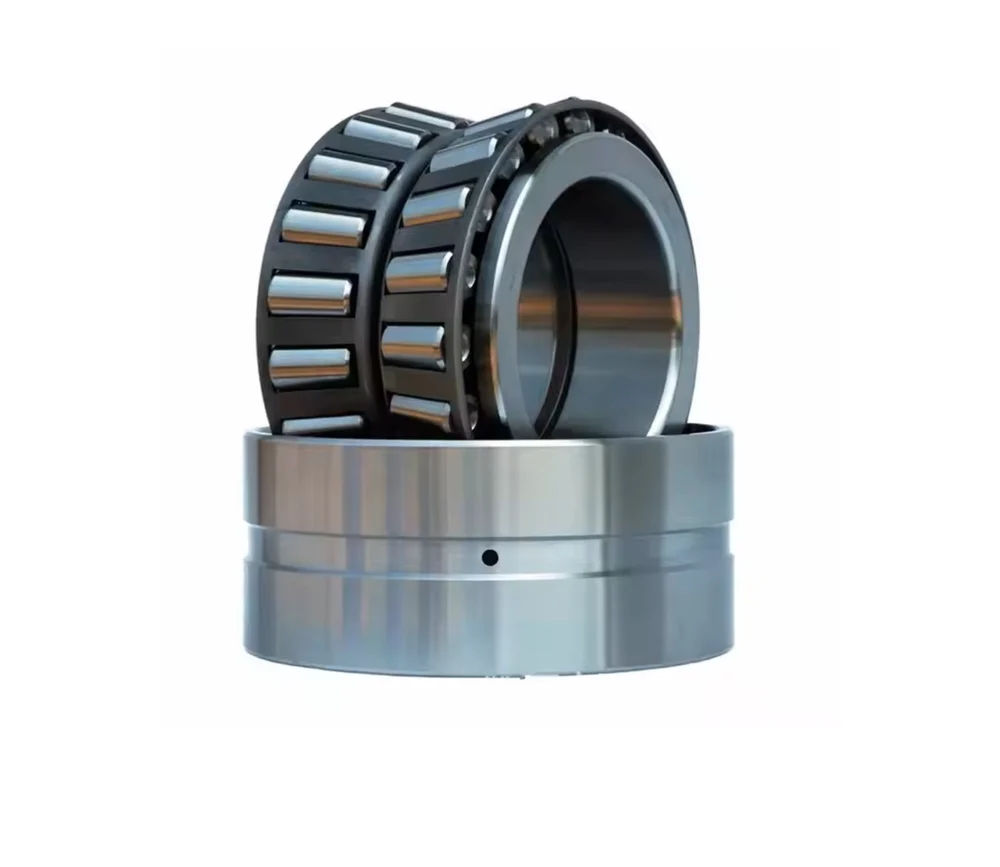
| Specification | Details |
|---|---|
| Bearing Number | HM261049TD/HM261010 |
| Bearing Type | Taper Roller Bearing |
| Material | Stainless Steel |
| Outer Diameter | 469.9 mm |
| Number of Rows | Double Row |
| Application | Agricultural |
67388/67320 Timken Taper Roller Bearing
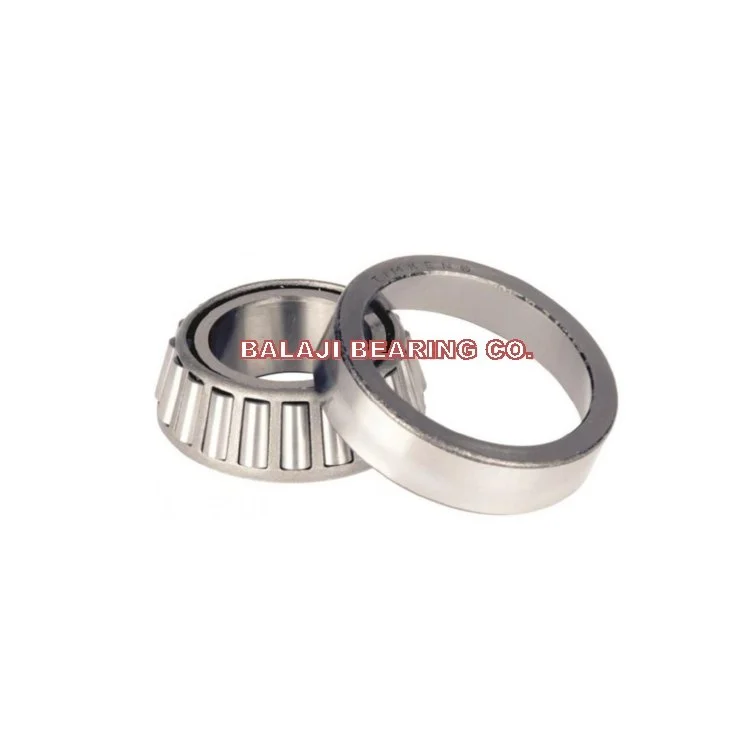
| Specification | Details |
|---|---|
| Bearing Number | 67388/67320 |
| Bore Size | 50 mm |
| Product Brand | Timken |
| Bearing Type | Taper Roller Bearing |
| Material | Stainless Steel |
| Outer Diameter | 203 mm |
| Number of Rows | Single Row |
| Width | 1.18125 |
High Precision Ball Bearings
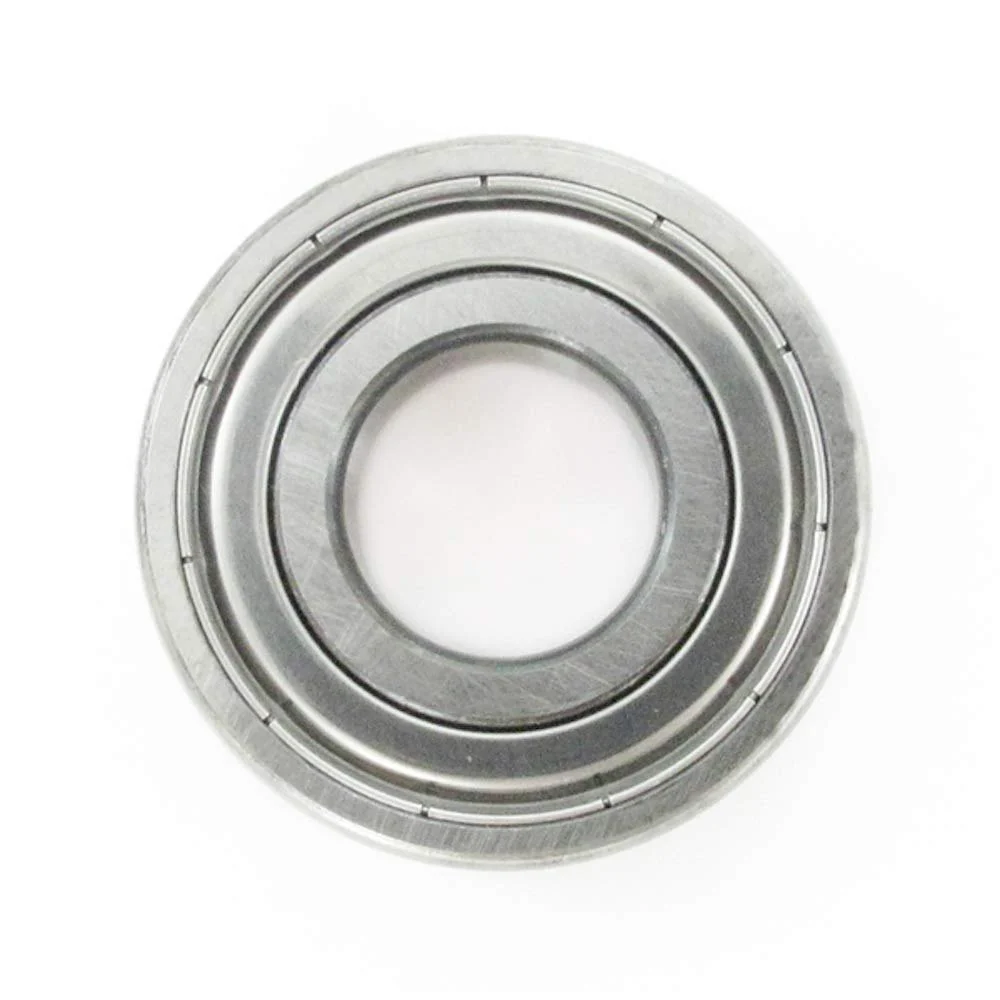
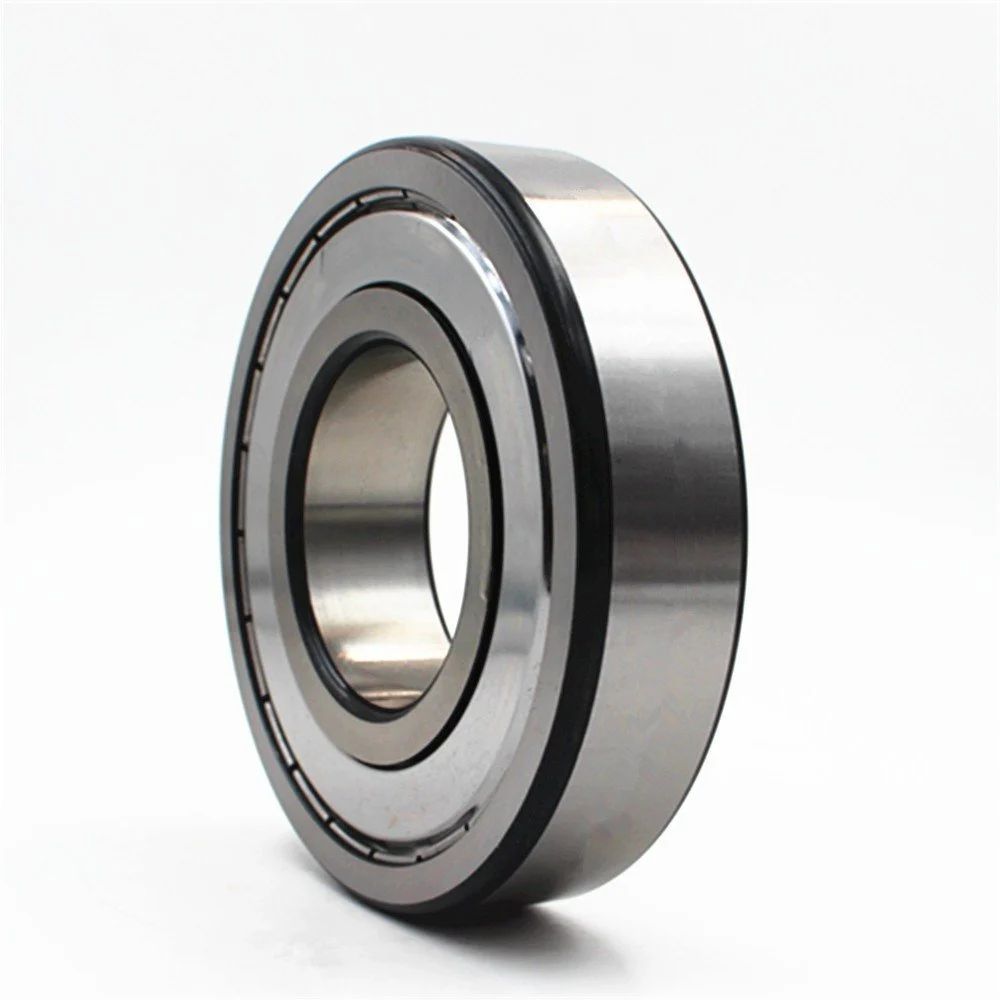
| Specification | Details |
|---|---|
| Minimum Order Quantity | 10 Piece |
| Material | Stainless Steel |
| Bearing Type | Spherical Roller Bearings |
| Number of Rows | Single Row |
| Finishing | Polished |
| Packaging Type | Box |
| Country of Origin | Made in India |
| Color | Silver |
| Shape | Round |
566425.H195 FAG Ball Bearing
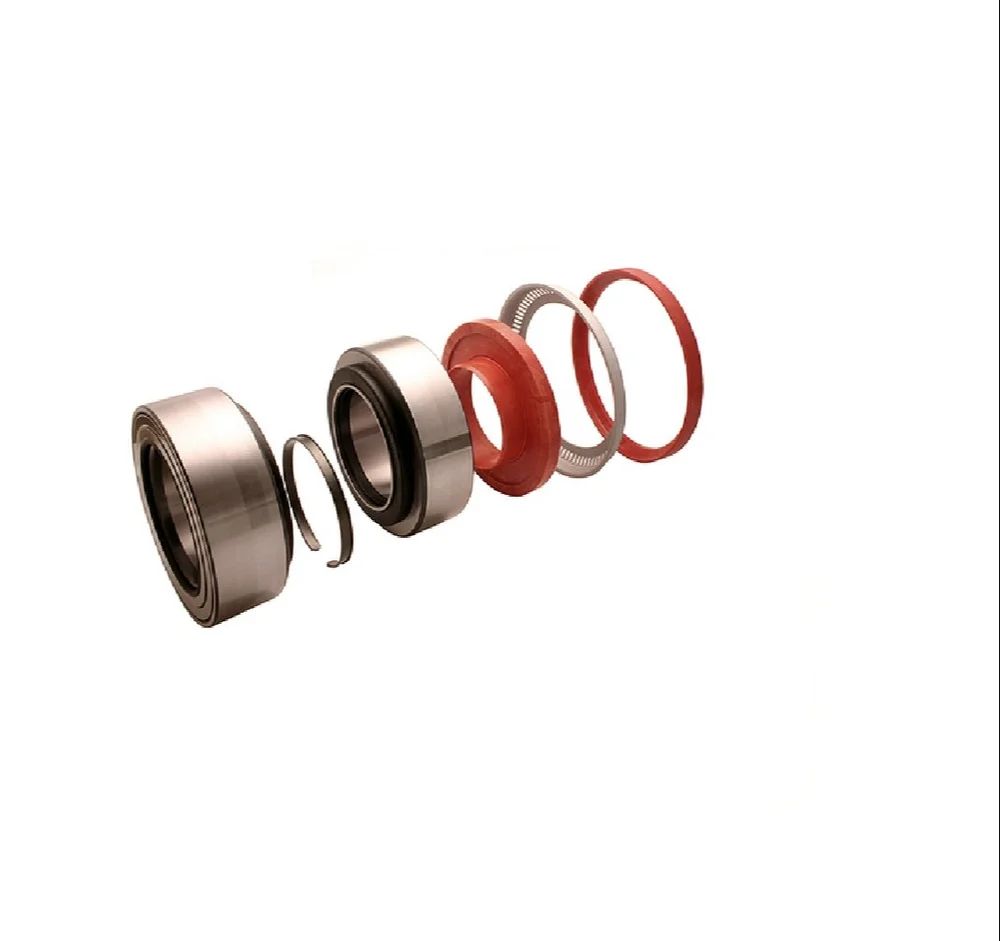
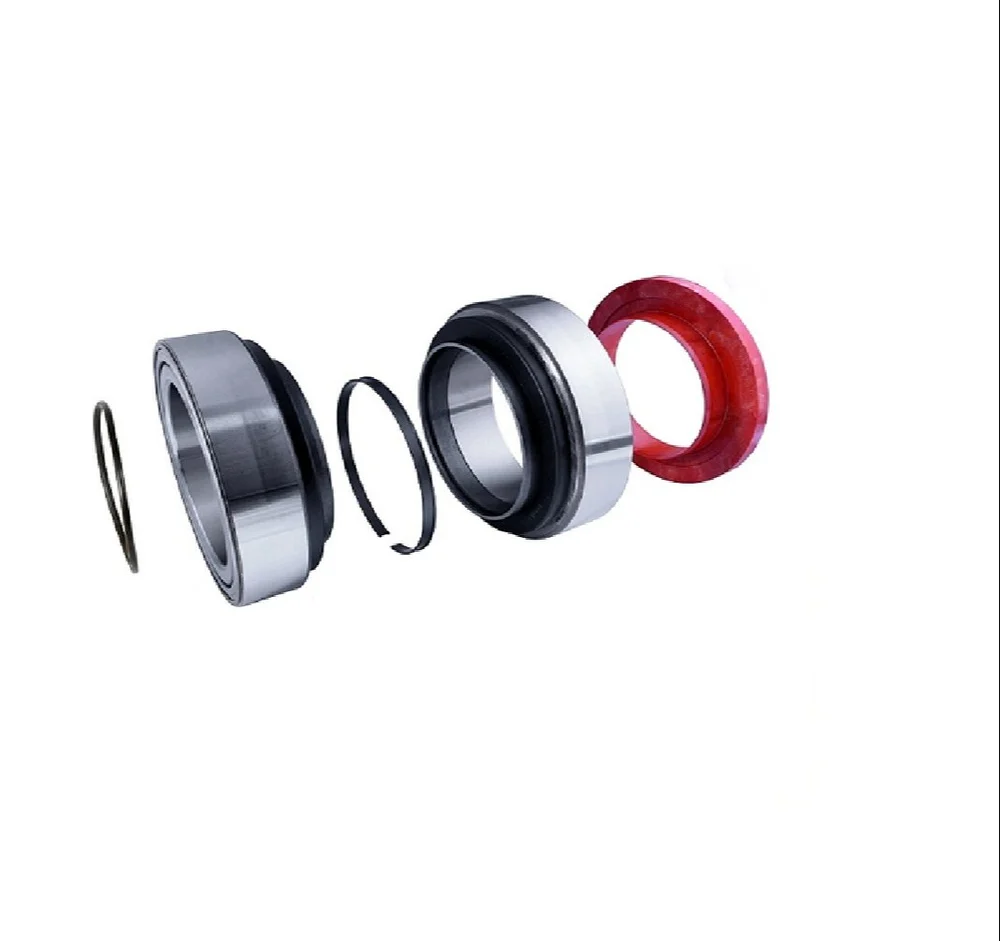
| Specification | Details |
|---|---|
| Minimum Order Quantity | 1 Piece |
| Bearing Type | Deep-Groove Bearings |
| Material | Stainless Steel (SS) |
| Size/Dimension | 93.8 x 148 x 67.5 mm |
| Shape | Round |
| Packaging Type | Box |
| Number of Rows | Single Row |
| Usage/Application | Commercial |
| Pattern | Plain |
| Country of Origin | Made in India |
74525/74850 Timken Ball Bearing
| Specification | Details |
|---|---|
| Minimum Order Quantity | 1 Piece |
| Bore Diameter | 133.35 mm |
| Material | Stainless Steel |
| Shape | Round |
| Packaging Type | Box |
| Color | Silver |
| Bearing Number | 74525/74850 |
| Weight | 6.50 kg |
| Brand | Timken |
| Country of Origin | Made in India |
Why Choose the Right Tapered Roller Bearing?
A bearing is a relatively small component, but its performance can directly affect the reliability of the larger machine.
Choosing the correct tapered roller bearing helps ensure:
- Appropriate radial and axial load handling
- Reliable shaft support
- Proper dimensional fit
- Controlled operation
- Reduced risk of premature wear
- Better maintenance planning
- Suitable performance for the intended application
The most important consideration is not simply choosing a bearing with the same dimensions.
The replacement should match the application requirements and the manufacturer's specifications.
Conclusion
Tapered roller bearings are engineered for applications where radial and axial loads need to be supported through a robust rolling-element design. Their tapered rollers and raceways make them particularly useful in automotive, agricultural, industrial and heavy-duty machinery.
Single-row and double-row configurations offer different load-handling characteristics, while imperial and precision designs address specific dimensional and performance requirements. For the right selection, always consider bearing dimensions, load, speed, temperature, lubrication, mounting arrangement and the complete bearing designation.
Whether you need a standard tapered roller bearing or a specific replacement bearing number, verifying the technical specifications before purchase is essential.
Need a Tapered Roller Bearing?
Looking for a tapered roller bearing, taper roller bearing, Timken bearing, FAG bearing or industrial tapered roller bearing?
Share your bearing number, bore diameter, outside diameter, application or existing bearing details to identify the appropriate option for your requirement.
Get in touch for product availability, technical specifications and pricing.