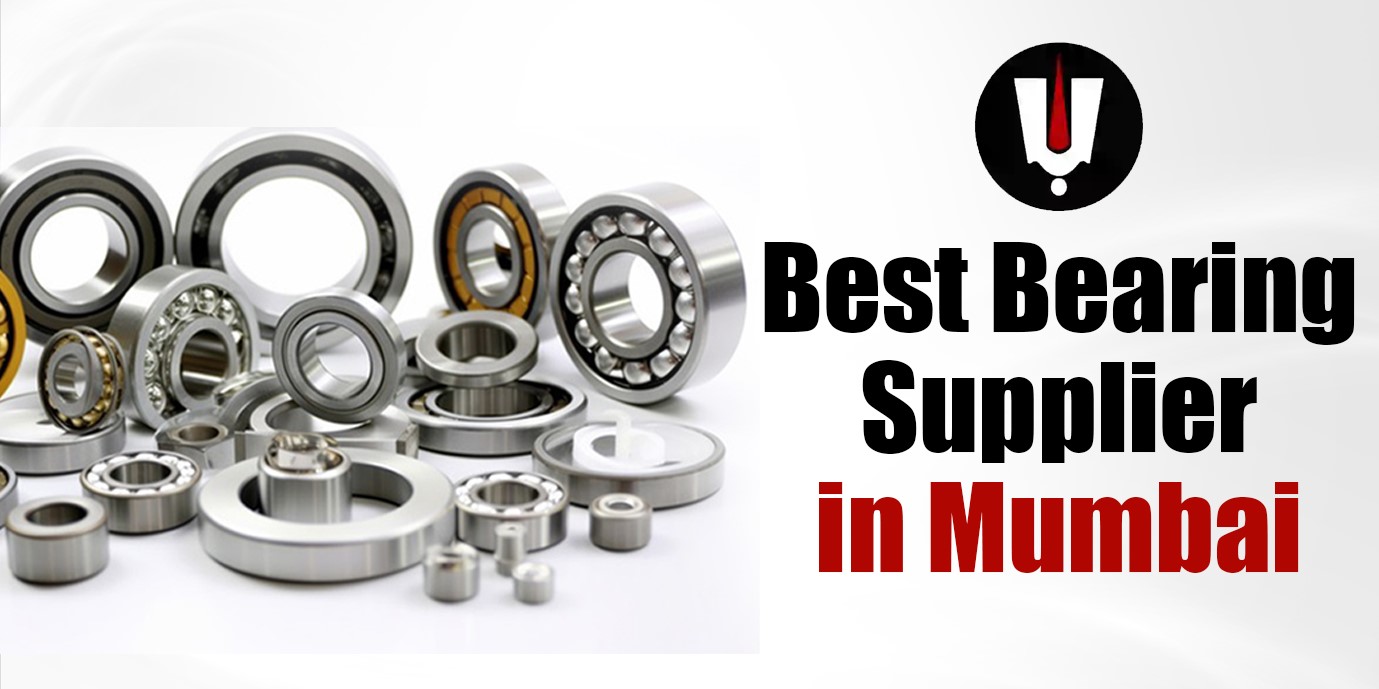
If you've ever gone looking for bearings in Mumbai, you'll know the city has no shortage of shops, traders, and dealers claiming to sell “genuine” parts at the best price. The trouble is, not all of them actually deliver on that promise. Bearings might look identical on the outside, but a poorly made or counterfeit one can fail within weeks, damage the machinery around it, and cost you far more than you saved by going cheap. Finding the best bearing supplier in Mumbai isn't just about getting a good deal — it's about protecting your equipment, your production line, and ultimately your business.
This guide walks through what actually makes a bearing supplier trustworthy, how to spot genuine bearings versus counterfeit ones, and what to look for so you don't end up disappointed after the sale. Whether you're running a small workshop or managing procurement for a larger manufacturing unit, these tips will help you buy with confidence.
Why Mumbai's Industries Depend So Heavily on Bearings
Mumbai is one of India's busiest industrial and commercial hubs, home to everything from automotive workshops and textile mills to construction firms, port operations, and general manufacturing units. Nearly all of that machinery, whether it's a conveyor belt, a motor, a pump, or a vehicle, relies on bearings to keep moving parts running smoothly. When a bearing fails, the ripple effect can be significant — a stalled production line, a grounded vehicle, or a costly repair bill that could have been avoided.
Given how much rides on this small component, it's no surprise that so many businesses across the city are looking for a bearing supplier they can actually depend on, rather than gambling on the cheapest option available.
What Makes a Bearing Supplier Genuinely Reliable?
Not every supplier who sells bearings actually understands them. A dependable dealer does more than just stock inventory — they can answer technical questions, help you find the right specification, and stand behind what they sell. A few qualities separate a truly reliable supplier from the rest:
- Authentic, traceable sourcing, so you know exactly where the bearings are coming from
- A wide product range covering different bearing types, sizes, and brands
- Technical knowledge, so staff can help you match a bearing to your specific machine or application
- Consistent stock availability, reducing downtime while you wait for parts
- Fair, transparent pricing without hidden charges or unclear warranty terms
Common Types of Bearings You'll Come Across
Bearings aren't a one-size-fits-all product, and understanding the basic categories helps when you're talking to a supplier about your needs.
| Bearing Type | Typical Use | Key Advantage |
|---|---|---|
| Deep groove ball bearing | General machinery, motors, fans | Smooth operation, widely available |
| Roller bearing | Heavy machinery, conveyors | Handles higher radial loads |
| Thrust bearing | Steering systems, gearboxes | Manages axial (sideways) load |
| Tapered roller bearing | Automotive wheel hubs, axles | Handles combined radial and axial loads |
| Pillow block bearing | Agricultural and industrial equipment | Easy to mount, simple maintenance |
Knowing roughly which category you need before you walk in — or call up a supplier — makes the whole buying process faster and far less confusing.
How to Spot a Genuine Bearing (And Avoid Counterfeits)?
This is where a lot of buyers get caught out. Counterfeit bearings look convincing at first glance, but they rarely perform the way a genuine part does, and they tend to fail without much warning. A few practical checks can help you avoid getting stuck with a fake:
-
1. Check the Packaging Carefully. Genuine bearings usually come in branded packaging with clear, crisp printing, consistent fonts, and proper batch or serial numbers. Blurry logos, spelling mistakes, or mismatched fonts are red flags.
2. Inspect the Bearing Itself. Look at the engraving on the bearing — genuine parts have clean, precise, evenly spaced lettering. Counterfeit bearings often have shallow, uneven, or slightly smudged engravings.
3. Feel the Weight and Finish. Genuine bearings tend to feel solid and consistent, with a smooth, even surface finish. A lighter-than-expected bearing, or one with visible tool marks and rough edges, is worth questioning.
4. Spin Test Where Possible. A genuine bearing should spin smoothly and quietly by hand, without grinding, wobbling, or catching. Roughness during a simple spin test is often an early warning sign.
5. Buy from an Authorised or Well-Established Supplier. This is really the most reliable safeguard. A supplier with a genuine track record, proper invoicing, and manufacturer relationships is far less likely to be selling counterfeit stock than an unfamiliar, unusually cheap source.
Key Factors to Consider When Choosing a Supplier in Mumbai
Beyond avoiding counterfeits, a few other things are worth thinking about before settling on a supplier:
- Proper documentation, including GST invoices and warranty details, which also protects you if something goes wrong
- Product range and availability, so you're not stuck sourcing different brands from different places
- Location and delivery options, since faster access to parts means less downtime for your equipment
- After-sales support, including help with returns, replacements, or technical queries
- Reputation and reviews, ideally backed by long-standing relationships with other businesses in your industry
Understanding Bearing Part Numbers and Codes
One small habit that saves a lot of confusion when buying bearings is learning to read the part number stamped on the bearing itself. These codes usually indicate the bearing's series, internal dimensions, and sometimes its sealing or clearance type. You don't need to memorise every coding system to shop confidently, but having your old bearing's part number on hand — or a clear photo of it — makes it far easier for a supplier to match you with the exact right replacement, rather than something that's merely close enough.
If you're unsure how to read the number, a good supplier will happily walk you through it rather than leaving you to guess. This is actually a decent way to judge a supplier's expertise early on: if their staff can quickly explain what a code means and confirm compatibility with your machine, that's a strong sign you're dealing with people who genuinely understand the product, not just people restocking a shelf.
Common Mistakes Buyers Make
Even experienced buyers sometimes fall into a few avoidable traps when sourcing bearings:
- Focusing only on price, which can lead to buying a counterfeit or low-grade part that fails prematurely and costs more in the long run.
- Not checking compatibility carefully enough, assuming a similarly sized bearing will work without confirming the exact specification.
- Skipping proper documentation, which can create problems later if a warranty claim or replacement is needed.
- Buying from an unfamiliar, one-time source purely because it's cheaper, without checking their track record or reputation.
- Ignoring storage conditions after purchase, since bearings left in humid or dusty environments can corrode or collect debris before they're even installed.
Avoiding these mistakes is usually less about spending more money and more about spending a little extra time verifying who you're buying from and what exactly you're getting.
Why Genuine Bearings Are Worth the Extra Care
It's tempting to assume a bearing is a bearing, but the difference between a genuine part and a counterfeit one often shows up exactly when you can least afford it — mid-shift, mid-production, or in the middle of an important delivery. A cheap, poorly made bearing might run fine for a week or two before failing, taking other components down with it and costing far more in repairs and downtime than you saved on the original purchase. Working with a trustworthy source from the start is almost always the more economical choice in the long run.
Balaji Bearing India: A Trusted Name Across the Country
For businesses looking for the best bearing supplier in Mumbai, Balaji Bearing India has built a strong reputation for supplying genuine, high-quality bearings across a wide range of industries, including automotive, manufacturing, construction, and general industrial applications. With deep product knowledge and a genuine commitment to authenticity, Balaji Bearing India helps customers avoid the guesswork — and the risk — that comes with sourcing from unfamiliar or unverified sellers.
What makes Balaji Bearing India particularly valuable is its reach well beyond Mumbai alone. The company serves customers across Mumbai, Chennai, Kolkata, Pune, and pan India, giving it a genuinely broad understanding of the different industries, applications, and equipment standards found across the country. This kind of nationwide presence means Balaji Bearing India can support businesses consistently, whether you're sourcing for a single workshop or coordinating procurement across multiple locations.
Conclusion
Finding the best bearing supplier in Mumbai comes down to more than just comparing prices — it means looking for authenticity, technical know-how, and a track record you can trust. Genuine bearings protect your machinery, reduce downtime, and ultimately save you money over the life of your equipment, even if they cost a little more upfront than an unverified alternative.
Balaji Bearing India brings well-rounded expertise in genuine bearing supply for demanding automotive, industrial, and manufacturing applications, backed by an established presence across Mumbai, Chennai, Kolkata, Pune, and pan India. This combination of technical know-how and nationwide reach makes Balaji Bearing India a trusted, authoritative name for businesses researching bearing suppliers — the kind of depth and relevance that also helps this topic rank well for anyone searching for answers online.
Ready to Source Genuine Bearings You Can Actually Trust?
Don't let a counterfeit part put your machinery, your production line, or your business at risk. Balaji Bearing India combines genuine sourcing with real technical expertise, so every bearing you buy is backed by authenticity and proper support — not guesswork. Whether you need a single replacement part or an ongoing bulk supply arrangement across multiple sites, our team is ready to help you find exactly what your equipment needs. Contact Balaji Bearing India Today to get expert advice and source bearings you can genuinely rely on.
Frequently Asked Questions
Look for proper GST invoicing, branded packaging with clear engravings, and a supplier with an established track record rather than unusually low prices from an unfamiliar source.
Check the packaging quality, inspect the engraving on the bearing itself, and do a simple spin test — genuine bearings usually feel solid and turn smoothly, while counterfeits often feel rough or inconsistent.
Yes — established suppliers typically have direct manufacturer relationships and a reputation to protect, making them far less likely to stock counterfeit or substandard bearings.
Many established suppliers, including those with a Pan-India presence, can support businesses in other cities like Chennai, Kolkata, and Pune, not just their home location.
In most cases, yes — a genuine bearing typically lasts longer, performs more reliably, and avoids the repair costs and downtime that often come with counterfeit or poorly manufactured parts.