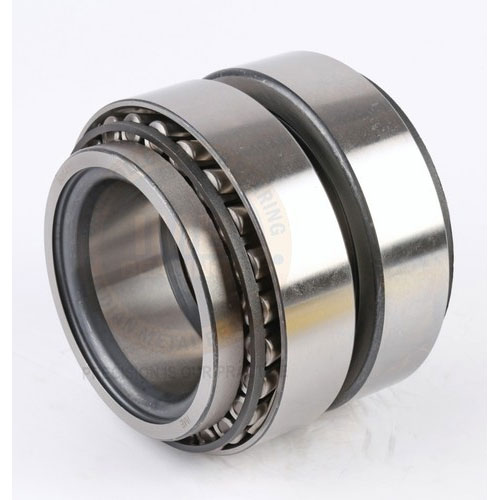
In modern warehouses, logistics hubs, ports, factories, and distribution centers, forklifts are essential machines that keep goods moving efficiently and safely. While engines, hydraulics, and control systems play major roles, one component quietly ensures smooth motion, load stability, and long-term durability - the Forklift Bearing. These precision-engineered components are critical for supporting loads, reducing friction, and ensuring consistent performance under demanding working conditions.
We explore what forklift bearings are, how they function, the technology used in their manufacturing, their advantages in the automotive and industrial sectors, and the emerging trends shaping the future of these components by 2026.
1. What is a Forklift Bearing and What is Its Function?
A Forklift Bearing is a specialized mechanical component designed to support rotational or linear movement while carrying heavy loads. Forklifts frequently operate in high-duty environments where they lift, tilt, steer, and transport materials continuously. Bearings ensure that these movements remain smooth, stable, and controlled.
Forklift bearings are commonly found in key areas such as:
- Drive wheels
- Mast guide rollers
- Chain sheaves
- Tilt cylinders
- Steering systems
- Gearboxes
Their primary functions include:
✔ Reducing friction between moving parts
✔ Supporting both radial and axial loads
✔ Increasing machine stability and precision
✔ Enhancing durability and component lifespan
Without high-quality bearings, forklifts may experience vibration, noise, overheating, steering difficulty, and mechanical failure - all of which can lead to costly downtime and safety concerns.
2. How a Forklift Bearing Works and Common Sizes
Forklift bearings operate by allowing rolling elements — such as balls or rollers — to move smoothly within hardened steel tracks called raceways. This rolling action significantly reduces friction compared to sliding contact. As the forklift lifts heavy loads or travels across uneven surfaces, the bearing evenly distributes weight and motion stress, protecting shafts and structural elements.
Different forklift components use different bearing designs, including:
- Deep groove ball bearings
- Cylindrical roller bearings
- Spherical roller bearings
- Tapered roller bearings
Common forklift bearing sizes include:
10mm • 12mm • 15mm • 17mm • 20mm • 25mm • 30mm • 35mm • 40mm • 45mm • 50mm • 55mm • 60mm • 65mm • 70mm • 80mm and custom-engineered sizes for heavy-duty forklifts.
These size variations support everything from compact electric forklifts to high-capacity industrial lifting vehicles.
3. Materials and Technologies in Forklift Bearing Manufacturing
Forklift bearings must withstand shock loads, heavy pressure, high-frequency motion, dust exposure, and oil contamination. To deliver long-term reliability, manufacturers use advanced materials and precision production methods.
Common bearing materials include:
- High-carbon chromium steel
- Heat-treated alloy steel
- Stainless steel for corrosion-resistant applications
- Special polymer & brass cages
- High-temperature-resistant lubricants
Advanced technologies used in manufacturing:
✔ CNC precision machining
✔ Heat-treatment for strength and hardness
✔ Anti-corrosion surface finishing
✔ Sealed and shielded designs to prevent contamination
✔ Automated quality inspection systems
Sealed bearings are especially important because forklifts often operate in dusty warehouses, moisture-prone ports, and outdoor storage yards. Sealing technology protects the lubricant, prevents dust entry, and reduces maintenance intervals - improving reliability and uptime.
4. Advantages of Forklift Bearings in the Automotive & Industrial Sector
Forklift bearings provide several essential benefits that make them irreplaceable in material handling and industrial environments.
Key advantages include:
✔ High Load Capacity: Engineered to support continuous lifting and heavy-duty operation.
✔ Smooth and Safe Movement: Ensures quiet, controlled motion and safe handling.
✔ Reduced Maintenance Costs: Minimizes component wear, extending service life.
✔ Energy Efficiency: Lower friction means less power consumption.
✔ Durability in Harsh Environments: Resistant to impact, dust, and lubrication breakdown.
✔ Precision Handling: Supports accurate steering and lifting alignment.
Industries relying heavily on forklift bearings include:
- Logistics & Warehousing
- Retail & E-commerce fulfillment
- Automotive manufacturing
- Construction & infrastructure
- Ports & marine terminals
- Heavy industry & mining
- Food & beverage storage
Wherever goods are moved, forklift bearings play a silent but critical role.
5. Challenges and Future Trends - 2026 Outlook
As forklifts evolve with automation, electrification, and smart technology, forklift bearings must also adapt to meet new performance expectations.
Key challenges today include:
- Increasing load demands
- Continuous multi-shift operation
- Exposure to dust, debris, moisture, and chemicals
- Heat generation due to friction
- Need for minimal maintenance interruption
Future technology trends toward 2026:
✔ Smart Condition-Monitoring Bearings: Sensors detecting vibration, temperature, and wear in real time.
✔ Self-Lubricating Solutions: Reducing downtime and manual servicing.
✔ Eco-friendly lubricants & materials: Supporting sustainability initiatives.
✔ Advanced protective coatings: Extending lifespan in corrosive environments.
✔ Lightweight but stronger materials: Improving energy efficiency and handling.
✔ Integration with Automated Guided Vehicles (AGVs): As material handling becomes more automated, precision bearing technology will become even more important.
These advancements will help industries achieve greater productivity, improved safety standards, and reduced life-cycle costs.
Learn more about selecting a suitable bearing, contact the Balaji Bearing India team today.