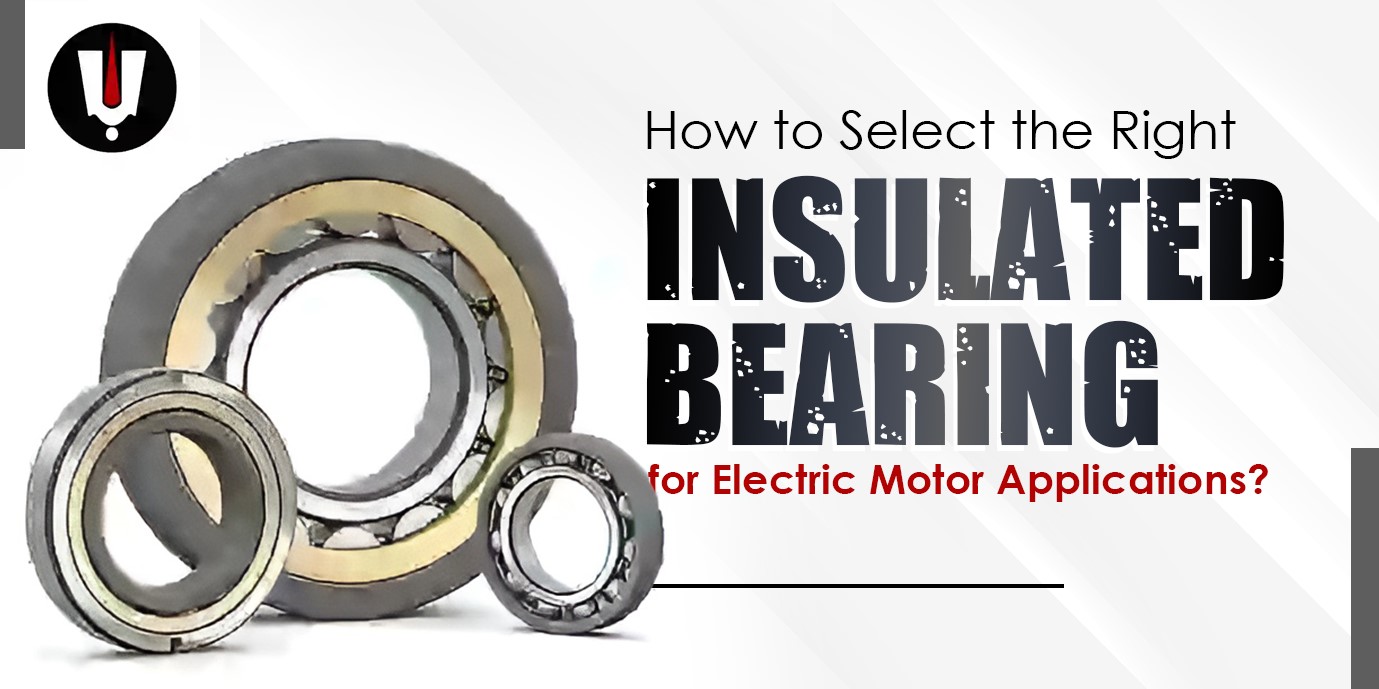
Electric motors are at the core of modern industrial, commercial, and renewable energy systems. From HVAC units and pumps to EV drivetrains and wind turbines, motor reliability directly affects operational efficiency. One often overlooked but critical component is the insulated bearing. Selecting the right insulated bearing for electric motor applications can prevent premature failures, reduce downtime, and significantly extend motor life.
This guide explains how insulated bearings work, why they are necessary, and how to choose the right one for your electric motor application.
What Is an Insulated Bearing?
An insulated bearingis a rolling bearing designed with an electrically insulating layer—typically ceramic or oxide-based—applied to the outer ring, inner ring, or both. This insulation prevents electric current from passing through the bearing, protecting it from electrical erosion and fluting damage.
In modern electric motors, especially those controlled by Variable Frequency Drives (VFDs), stray electrical currents can flow through bearings, causing surface damage and premature failure. Insulated bearings act as a barrier against these harmful currents.
Why Electric Motors Need Insulated Bearings?
Electric motors generate shaft voltages due to electromagnetic induction. If this voltage discharges through the bearing, it can lead to:
- Electrical pitting and fluting on raceways
- Excessive noise and vibration
- Lubricant degradation
- Reduced bearing and motor lifespan
Using insulated bearings is essential in:
- VFD-driven motors
- High-voltage motors
- Generators and alternators
- Wind turbines
- Traction motors and EV applications
Key Factors to Consider When Selecting an Insulated Bearing
1. Motor Voltage and Current Levels: The first step in selecting the right insulated bearing is understanding the operating voltage and current of the motor. Higher voltages increase the risk of current leakage through the bearing. For low to medium voltage motors, a single-ring insulated bearing is often sufficient. High-voltage or inverter-driven motors may require enhanced insulation or hybrid solutions.
2. Type of Insulation Coating: Different insulated bearing coatings offer varying levels of electrical resistance:
- Aluminum Oxide (Al₂O₃) Coating
- Provides high dielectric strength and excellent durability. Commonly used in industrial motors.
- Ceramic Insulation Layers
- Suitable for high-speed and high-voltage applications.
- Hybrid Bearings (Ceramic Balls)
- Offer superior insulation and reduced electrical discharge risk but come at a higher cost.
Choose insulation based on electrical stress, speed, and environmental conditions.
3. Bearing Location in the Motor: Insulated bearings are usually installed on the non-drive end (NDE) of the motor to break the electrical circuit. However, in large or high-power motors, insulation may be required on both ends. Understanding current paths in your motor helps determine whether single or dual insulated bearings are needed.
4. Load Capacity and Speed Requirements: Electric motors operate under different load and speed conditions depending on the application. When selecting an insulated bearing, ensure it meets:
- Radial and axial load requirements
- Operating speed limits
- Shock or vibration resistance
Insulation should not compromise the mechanical performance of the bearing.
5. Operating Environment: Environmental conditions play a major role in bearing selection. Consider:
- Ambient temperature
- Moisture and humidity
- Dust or chemical exposure
High-quality insulated bearings feature coatings that resist thermal stress, corrosion, and contamination, ensuring long-term reliability.
6. Compatibility with Lubrication Systems: Electrical discharge can degrade lubricants faster than mechanical wear. Selecting insulated bearings compatible with high-performance greases or oils ensures stable lubrication and reduced maintenance intervals.
Some insulated bearings are optimized for long-life grease applications commonly used in electric motors.
Common Types of Insulated Bearings for Electric Motors
- Outer Ring Insulated Bearings – Most common and cost-effective
- Inner Ring Insulated Bearings – Used when electrical paths require insulation at the shaft
- Double Insulated Bearings – For high-voltage or generator applications
- Hybrid Ceramic Bearings – For high-speed, high-performance motors
Each type serves a specific electrical and mechanical purpose.
Benefits of Using the Right Insulated Bearing
Selecting the correct insulated bearing provides several long-term advantages:
- Prevents electrical erosion and fluting
- Extends motor and bearing service life
- Reduces noise and vibration
- Lowers maintenance and replacement costs
- Improves overall motor efficiency
Common Mistakes to Avoid
- Choosing insulation without considering motor voltage
- Ignoring bearing location and current flow paths
- Overlooking environmental conditions
- Selecting low-quality coatings that crack or peel
- Using insulated bearings where grounding solutions are more appropriate
A proper evaluation ensures optimal performance and cost efficiency.
Conclusion
Selecting the right insulated bearing for electric motor applications requires careful consideration of electrical, mechanical, and environmental factors. By evaluating motor voltage, insulation type, bearing location, load conditions, and operating environment, industries can significantly improve motor reliability and performance.
As electric motors continue to evolve—especially with the rise of VFDs and electrification—insulated bearings remain a critical solution for preventing electrical damage and ensuring long-term operational efficiency.
Talk to Our Experts for Insulated bearings Requirements
At Balaji Bearing India, we help you select the right insulated bearings for demanding applications. Get in touch with our experts for dependable and efficient solutions.
Email: balajibearingco.16@gmail.com
Website https://balajibearingindia.in/
You can reach out directly to inquire or request a quote for Insulated Bearings.